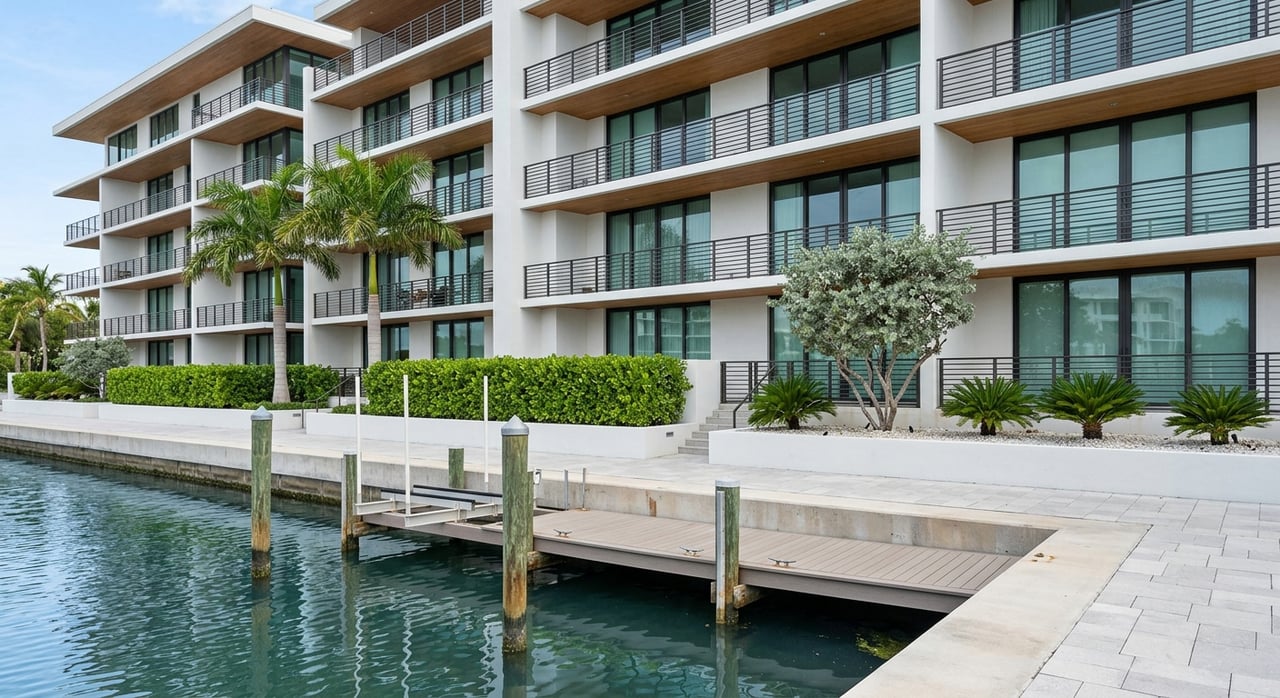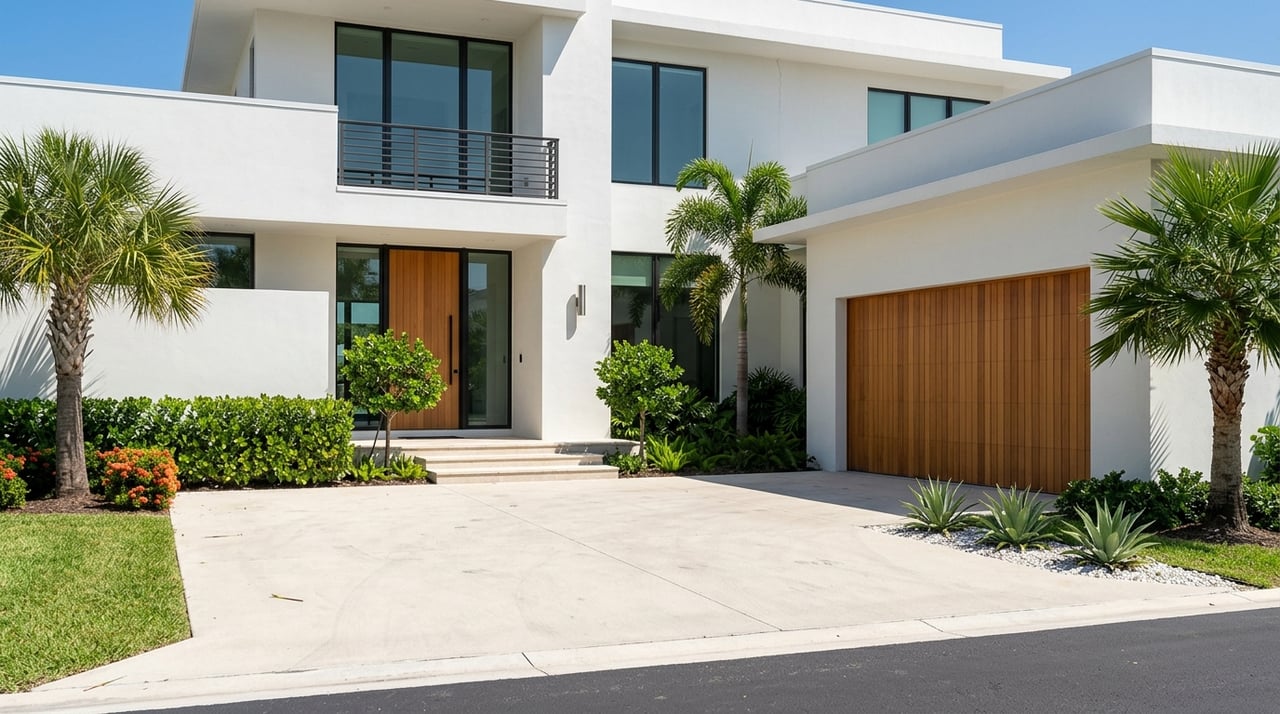
If you are buying a condo or home on Longboat Key, the monthly fee is only the starting point. What really shapes your day-to-day ownership is a mix of condo or HOA rules, town rental standards, pet restrictions, and the way maintenance costs are shared. If you understand those layers before you buy, you can compare properties with more confidence and avoid surprises later. Let’s dive in.
Why rules matter on Longboat Key
Longboat Key is not a typical island market. The town says the island stretches between Sarasota Bay and the Gulf of Mexico, and it is split between Manatee County and Sarasota County. That matters because some local procedures can change depending on which side of the island a property sits on.
For buyers, that means you should not assume every community follows the exact same local process. The town notes that pet licensing is handled through Sarasota County or Manatee County based on location. On an island where many buyers are seasonal owners, details like rental rules, amenity use, and maintenance duties can have a big effect on how you use the property.
There is another local cost layer to know as well. The town has two beach erosion special districts for beach nourishment, with separate mill rates for Gulfside and Bayside districts. So when you look at ownership costs on Longboat Key, it is smart to think beyond association dues alone.
Condo rules vs HOA rules
How condominium ownership works
In a condominium, your ownership usually centers on your unit along with a shared interest in common elements. Under Florida’s Condominium Act, the association operates the condo through its articles and bylaws, and the association is generally responsible for maintaining the common elements unless the declaration assigns certain limited common element duties differently.
That structure often makes condos easier to compare when you start with the documents. You want to see exactly what the association maintains, what the owner maintains, and whether certain areas such as balconies, parking spaces, or storage areas are treated as limited common elements with special rules.
Florida law also requires condo boards to adopt hurricane protection specifications. For many buildings that are three stories or higher, the law also gives special importance to structural integrity reserve studies. On Longboat Key, where many buyers focus on coastal buildings and long-term upkeep, those requirements deserve close attention.
How HOA ownership works
An HOA usually works differently. In most cases, ownership centers on a lot or parcel that is governed by recorded covenants, and the rules about expenses, use, and obligations are defined by the governing documents.
Florida’s HOA statute requires a disclosure summary before a buyer signs, and the governing documents must describe how expenses are shared. HOA assessments, special assessments, and amenity fees can all be part of the structure, and unpaid amounts can become a lien.
The practical takeaway is simple. On Longboat Key, the community name alone does not tell you enough. The declaration, bylaws, rules, and disclosures are what define what you can do and what you are expected to pay.
What your fees may cover
Condo fees often include more than basics
In waterfront communities, association fees often cover more than landscaping and insurance. Florida law requires condo budgets to spell out annual operating expenses and separately list fees or charges paid for recreational amenities.
That matters because some Longboat Key properties may include features such as a pool, clubhouse, or shared recreation space, while others may involve a leased amenity arrangement or mandatory club-related costs. Florida condo disclosure rules are designed to show buyers who owns the amenities, whether use is mandatory, and what financial impact those arrangements may have.
If you are comparing two similar-looking condos, this is often where the real difference shows up. One monthly fee may support straightforward building operations, while another may also reflect recreational facilities, land-use fees, or a required membership structure.
HOA fees depend on the documents
For HOA properties, the cost structure also depends on the governing documents. Florida law says assessments can vary by parcel class or by the level of services received, and annual financial reporting must disclose whether reserves are being funded or whether future special assessments may be needed.
That means an HOA fee should not be viewed in isolation. A lower fee may still leave owners more exposed to future special assessments, while a higher fee may reflect a broader service package or stronger reserve planning. The documents are what tell the real story.
Maintenance and reserve planning
Who repairs what matters
For condominiums, Florida law is more direct about maintenance. The association must maintain the common elements and provide for repair and replacement of the condominium property it is responsible for.
At the same time, some limited common elements may be maintained either by the owner who uses them or by the association, depending on the declaration. That is why Longboat Key buyers should ask for a clear explanation of maintenance responsibility instead of assuming the fee covers everything outside the walls.
Older buildings need closer review
Reserve planning is especially important in older condo communities. Florida law requires structural integrity reserve studies for many condominium buildings that are three stories or higher, and those studies must identify major components, useful life, replacement cost, and a reserve funding plan.
In a resale transaction, the current study or a statement that no study exists is part of the buyer disclosure package. If you are considering a coastal condo on Longboat Key, this can be one of the most important parts of your review because it helps you understand future repair planning and funding.
Rental rules to check before you buy
Longboat Key has town-level short-term rental rules that buyers need to understand. The town says that unless a property is grandfathered as a tourism use or located in a tourism-zoned district, each rental period must be at least 30 consecutive days.
The town also says rentals of less than six months require a Residential Rental Certificate of Registration. According to the town, violations can trigger fines, and each day of a violation may be counted separately.
This matters for seasonal buyers who hope to offset ownership costs with rentals. The town’s Residential Rental Registry took effect on October 1, 2023, and the town states that its rental limits trace back to a 1982 ordinance. In other words, these are not new or temporary restrictions.
Just as important, community rules can be more restrictive than the town. A condo or HOA may have approval rules, longer minimum lease periods, tenant limits, or other requirements in its declaration and rules. You need both the town rules and the community documents to understand what is truly allowed.
Pet rules have more than one layer
If you have a pet, it is important to separate town rules from association rules. The town says animals are prohibited on Longboat Key beaches, beach accesses, bay accesses, and public parks except Joan M. Durante Park. In that park, pets must be leashed and owners must clean up after them.
The town also says pet licenses are handled through Sarasota County or Manatee County depending on where you live on the island, and the county license requires current rabies documentation. Because Longboat Key crosses county lines, buyers should verify which county handles the property they are considering.
Then look at the community rules. A building or neighborhood may have its own pet limits, size restrictions, leash rules, or approval procedures. A pet-friendly residence does not mean pets are allowed in every public area on the island.
Best questions to ask before closing
A smart Longboat Key comparison starts with the disclosure package. For condo resales, Florida law entitles buyers to key documents including the declaration, articles, bylaws and rules, annual financial statement, annual budget, and if applicable, the milestone inspection summary and the latest structural integrity reserve study or a statement that no study has been completed.
For HOA purchases, the buyer must receive a disclosure summary that explains membership, assessments, special assessments, possible recreational fees, and other covenant-based obligations. These documents are the foundation of a sound review.
You should also ask for the estoppel certificate before closing. For HOAs, the estoppel can show amounts due, special assessments, transfer or resale fees, open rule violations, transfer approval requirements, and any right of first refusal. Because it is time-limited, it can also give you a current snapshot of possible hidden costs or approval issues.
Here are some of the most useful questions to ask when comparing Longboat Key properties:
- What exactly does the monthly fee cover?
- Are reserves currently funded?
- Is there a current or pending special assessment?
- Who maintains limited common elements?
- What are the rental minimums and approval rules?
- What pet limits apply inside the community?
- What hurricane protection standards are required?
- Is any recreational facility leased or tied to mandatory membership?
- Is the property on the Manatee County or Sarasota County side of the island?
A better way to compare communities
On Longboat Key, the most important question is usually not just, “How much is the fee?” A better question is, “What does that fee actually buy you, what rules apply to your lifestyle, and what future costs might be coming?”
That is especially true in an island market where waterfront maintenance, building reserves, amenity arrangements, seasonal rental demand, and local town rules all come together. When you review the documents carefully, you can make a cleaner apples-to-apples comparison and choose a property that fits how you plan to live.
If you want guidance sorting through condo documents, HOA disclosures, and waterfront ownership details on Longboat Key, Richard Strauss offers a consultative approach built around island and coastal property expertise.
FAQs
What rental rules apply to Longboat Key homes and condos?
- The town says that in residentially zoned areas, rentals generally must be at least 30 consecutive days unless the property is grandfathered as a tourism use or located in a tourism-zoned district. Rentals of less than six months also require a Residential Rental Certificate of Registration.
What documents should you review for a Longboat Key condo purchase?
- For a condo resale, Florida law entitles you to review documents such as the declaration, articles, bylaws and rules, annual financial statement, annual budget, and if applicable, the milestone inspection summary and the latest structural integrity reserve study or a statement that no study exists.
What is the difference between a condo association and an HOA on Longboat Key?
- In general, condo ownership centers on a unit plus shared common elements, while HOA ownership usually centers on a lot or parcel governed by recorded covenants. In both cases, the governing documents control the details.
What do Longboat Key condo or HOA fees usually cover?
- The answer depends on the community documents, but fees may cover operating expenses, maintenance, reserves, and in some cases recreational amenities or other shared services. Florida law requires disclosures that help explain those costs.
What pet rules should you check on Longboat Key before buying?
- You should check both town rules and association rules. The town says pets are prohibited on beaches, beach accesses, bay accesses, and public parks except Joan M. Durante Park, and pet licensing is handled through Sarasota County or Manatee County depending on location.
Why does the county line matter for Longboat Key properties?
- Longboat Key spans both Manatee County and Sarasota County, and the town says some local procedures such as pet licensing depend on which county side of the island a property is located on.