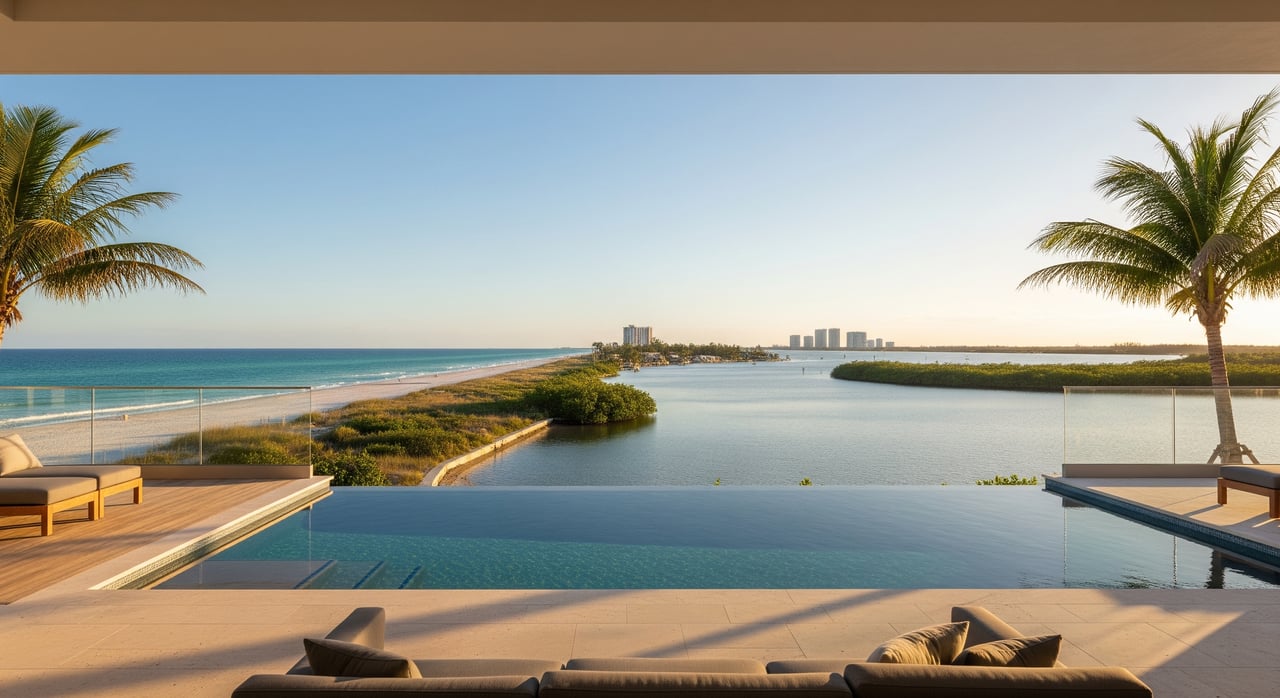
Gulf or bay? On Lido Key, that choice shapes your daily view, how you spend your time, and what you budget for maintenance and insurance. If you are weighing sunset horizons against calm-water dockage, you are not alone. The good news: once you know the tradeoffs, the right answer becomes clear. In this guide, you will compare lifestyle, risk, rules, and value so you can buy or sell with confidence. Let’s dive in.
Lido Key at a glance
Lido Key is a barrier island in Sarasota with the Gulf of Mexico on the west and Sarasota Bay on the east. A “Gulf view” looks toward open water and wide sandy beaches. A “bay view” looks over the calmer bay and Intracoastal waterways.
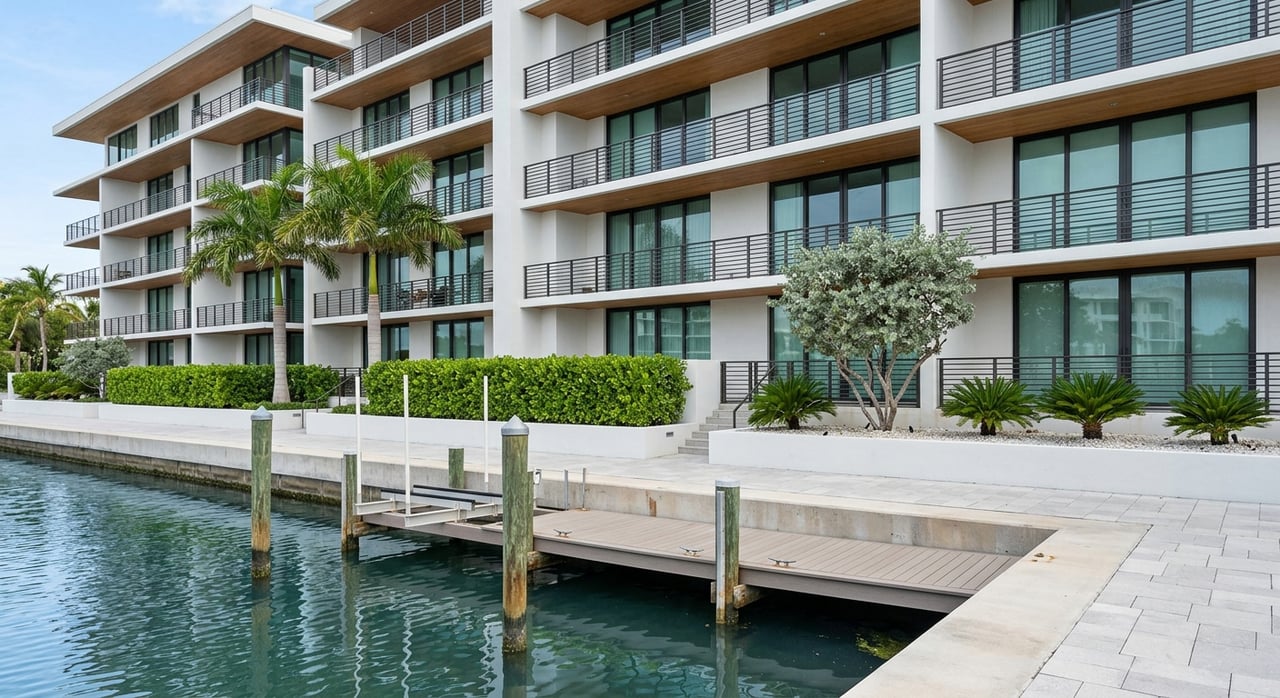
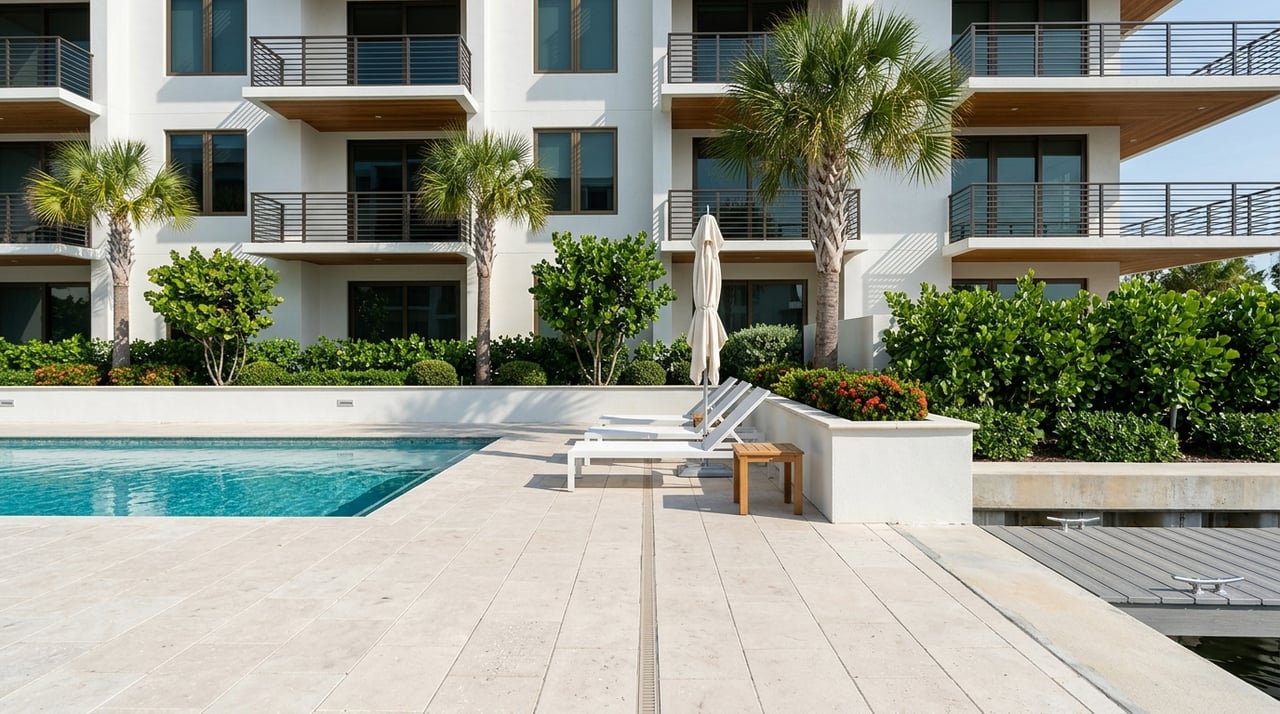
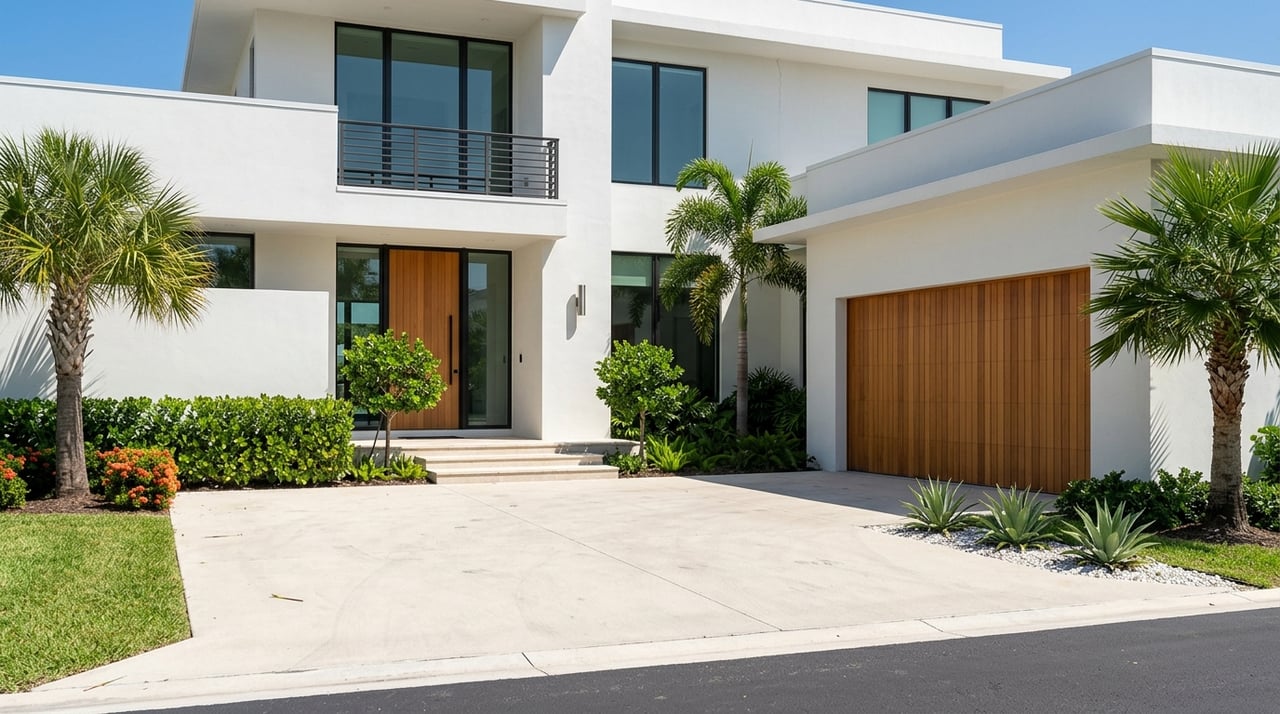
On the Gulf side, you see beachfront homes and condo buildings near dunes and public beach access. On the bay side, you find bayfront homes and condos, many with docks, bulkheads, or marina access. Both sides connect quickly to St. Armands Circle and the mainland.
Gulf views: what you experience
Daily light and vibe
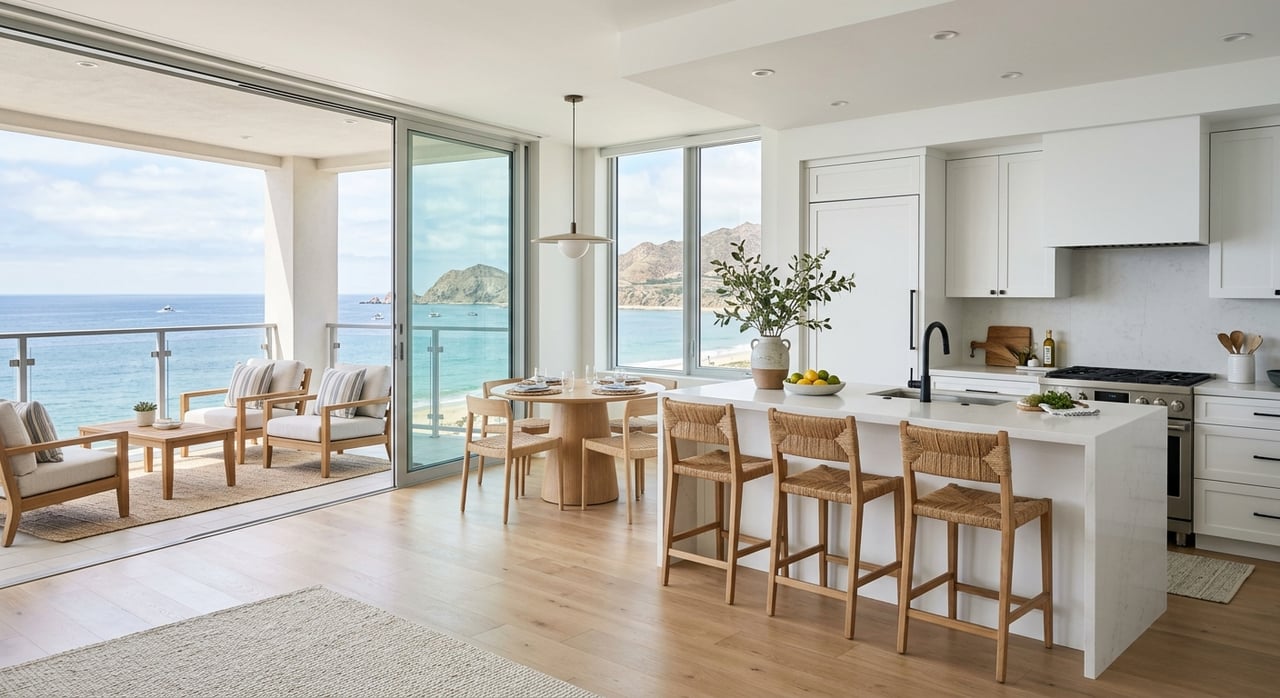
Gulf-facing homes capture sweeping horizons and dramatic sunsets. You will feel stronger ocean breezes and hear surf, especially on breezy days. Areas near public beach access can see more foot traffic in peak season.
Recreation and access
You can walk straight to the beach for swimming, shelling, and sun. Beach amenities, like lifeguards and access points, are often nearby. The Gulf setting is ideal if your day revolves around sand time and sunsets.
Noise and privacy
Expect more seasonal activity and sound from beachgoers. Privacy varies by exact location and distance from public access paths. If you want an energized beach scene, the Gulf side delivers.
Bay views: what you experience
Daily light and vibe
Bay-facing homes offer calmer water vistas and a more sheltered feel. Depending on the orientation, you may enjoy soft morning light and reflections across the bay. You will often see boats and marine life up close.
Recreation and access
The bay side is a natural fit for boating, kayaking, paddleboarding, and fishing. Many properties include or qualify for private docks, subject to permits. You get protected-water access to the Intracoastal and beyond.
Noise and privacy
The bay side is typically quieter overall, though marinas and boat traffic can add periodic sound. If you value a peaceful outlook and water access for a boat, the bay side stands out.
Risks, maintenance, and insurance
Flood zones and storm surge
Barrier islands face flood and surge risk on both sides. Gulf-facing parcels often include VE zones where wave action is a factor. Bayfront parcels are more sheltered but can still sit in AE or A zones. Always review the FEMA Flood Insurance Rate Map, the property’s elevation certificate, and current insurer requirements. You can view official maps through the FEMA Flood Map Service Center.
Coastal rules and permits
Florida’s Coastal Construction Control Line affects what you can build or rebuild near the shoreline. On the Gulf side, dune protection and beach nourishment programs shape what is allowed. On the bay side, docks, bulkheads, and seawalls require county and state approvals and must consider marine habitat. Learn about CCCL boundaries and permitting through the Florida Department of Environmental Protection’s CCCL program.
Structural upkeep differences
Gulf-facing homes endure more salt spray, wind-driven sand, and wave forces. Expect faster exterior wear and more frequent maintenance. Bay-facing homes shift the focus to dock, piling, and seawall care, which require periodic inspection and permitted repairs.
Insurance considerations
Flood and wind coverage matter on both sides. Properties in VE zones typically face stricter building standards and higher flood costs. Mitigation, such as raised foundations and reinforced openings, can impact rates and insurability. For long-term planning, review sea-level and tide resources from NOAA’s coastal tools.
Market and rental realities
Price and demand patterns
Gulf-front property and condos often command premiums for direct beach access and sweeping views. Bayfront homes with private docks and deep-water access also see strong demand, especially from boaters. Actual premiums vary by building, water depth, and recent sales, so rely on current local comps.
Rental income and rules
Gulf-front properties tend to achieve higher nightly rates and strong seasonal occupancy from beach-focused guests. Bayfront homes can attract boaters and longer-term renters, though nightly rates may be lower than direct beach options. Short-term rental rules and HOA restrictions vary, so verify current county guidelines and association documents before you buy.
Operating costs
Budget for wind and flood insurance, HOA fees where applicable, and routine exterior maintenance. On the Gulf side, plan for faster exterior wear. On the bay side, plan for dock, bulkhead, or seawall upkeep. Taxes depend on assessed value and exemptions.
Boater or beach: choose what fits
If you prioritize direct sand access, constant horizon views, and sunset watching, a Gulf view likely fits best. If you own a boat or want calm-water recreation and a quieter outlook, a bay view can be the smart move.
Ask yourself:
- Do you value beach walks or boat days more?
- Do you prefer lively energy or a more private setting?
- Can you budget for the side-specific maintenance and insurance profile?
- Will you rent nightly, monthly, or not at all?
Buyer checklist for Lido Key
- Get the elevation certificate and confirm the flood zone on FEMA’s maps.
- Obtain quotes for wind and flood insurance before you finalize price.
- For Gulf-front: ask about dune ownership, beach access easements, and recent beach nourishment. Inspect exterior for corrosion, roof wear, and deck supports.
- For bayfront: verify the dock’s permitted status, piling condition, and water depth at mean low water. Confirm any environmental constraints.
- Review HOA or condo rules for rentals, improvements, and pet policies.
- Pull recent comparable sales for both Gulf and bay to understand local premiums and days on market.
Seller tips to stand out
- Document recent maintenance, wind mitigation, and any elevation or hardening upgrades.
- For Gulf-front: highlight beachwalk access, dune stewardship, and sunset views.
- For bayfront: showcase permitted dockage, water depth, and easy access to protected waterways.
- Provide rental history if applicable and share HOA or condo documents up front.
Next steps
Both sides of Lido Key offer an incredible lifestyle. The difference is how you want to live each day and what makes sense for your long-term plan. If you want a clear, side-by-side view of risk, rules, and value for a specific address, reach out. Richard Strauss can help you compare dock depth, flood zone, and resale data, then position your purchase or listing for success. Get your free home valuation or start a tailored property search today.
FAQs
Which side of Lido Key is better for me?
- Choose Gulf for direct beach living and sunset views, or Bay for calmer water, boating access, and a quieter outlook; match the side to your daily lifestyle.
Do Gulf-facing homes cost more to insure?
- Often yes; Gulf-front properties may fall in VE zones with higher flood standards and exposure, which can raise premiums compared with some bayfront AE or A zones.
Can bayfront homes have private docks on Lido Key?
- Many do or may be eligible, subject to county and state permits and environmental constraints; always verify depth, permits, and condition.
Are short-term rentals allowed on Lido Key?
- Rules vary by property type and association; confirm Sarasota County requirements and HOA or condo documents before you buy or market a rental.
How do resale values compare between Gulf and Bay?
- Gulf-front often commands a premium for beach access and views, while well-equipped bayfront with private dockage is highly valued by boaters; local comps are essential.
How can I check a property’s flood zone?
- Review the property’s elevation certificate and consult the official maps at the FEMA Flood Map Service Center, then compare with current insurer requirements.