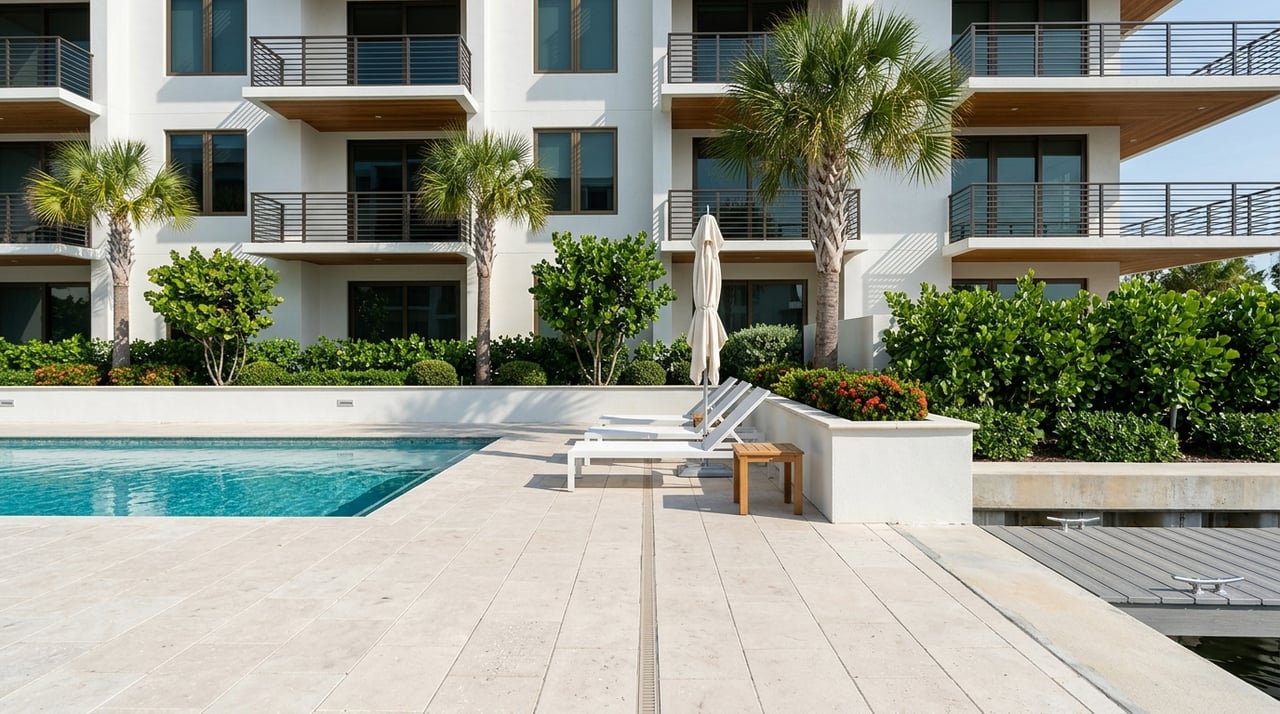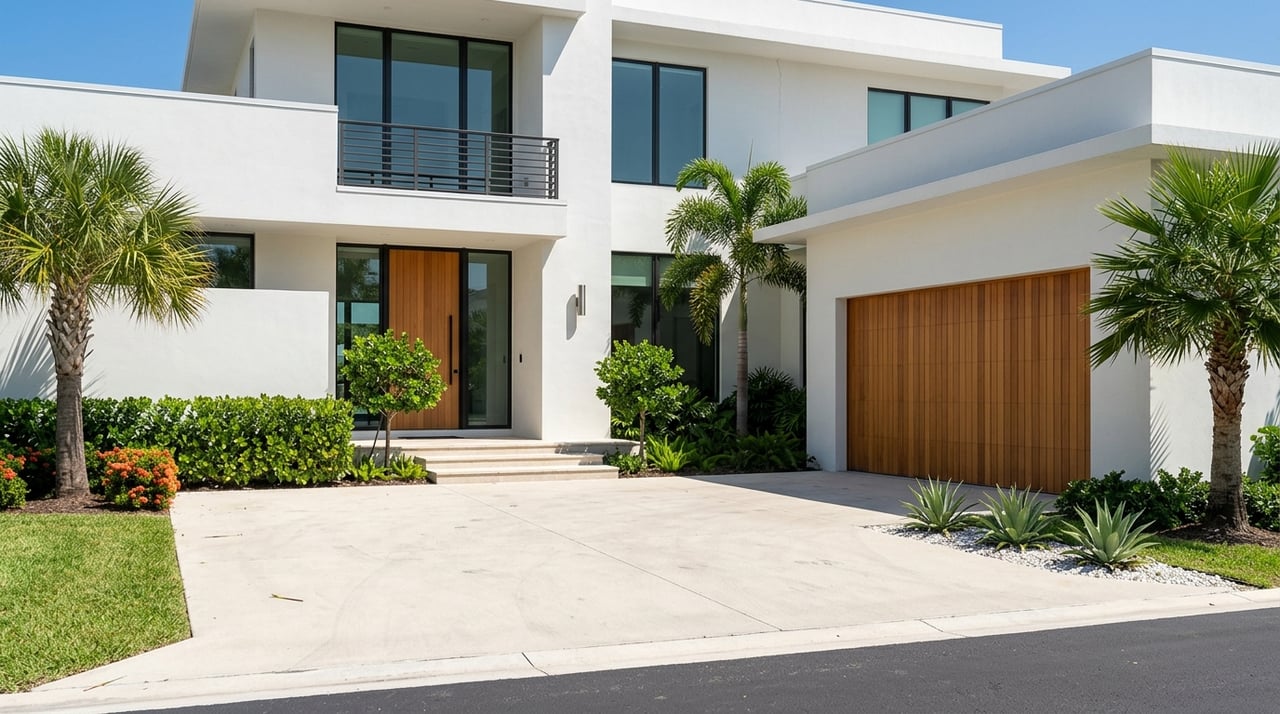
Salt, storms, and humidity do not take a vacation when you do. If you own a part-time or second home on Longboat Key, you need a simple, county-aware plan that keeps your property protected and ready for your next visit. In this guide, you’ll learn a clear seasonal rhythm for hurricane prep, seawall and dock care, HVAC and humidity control, and vendor coordination tailored to the Manatee side of the island. Let’s dive in.
Confirm your county and key contacts
Longboat Key spans Manatee and Sarasota counties, and that split affects permitting, emergency orders, and re-entry after storms. First, confirm whether your address sits in Manatee County. If it does, follow Manatee County Emergency Management updates for evacuation, sheltering, and re-entry procedures. You can review current guidance in the county’s planning documents and alerts through Manatee County Emergency Management guidance.
For any construction or repairs, start with the Town’s building division. Find permit applications and checklists for docks, lifts, and seawalls on the Town of Longboat Key building forms and checklists page.
Pre-season prep: March to May
Get ahead of summer heat and storm season with a short, focused to-do list:
- Confirm insurance coverages. Flood insurance is separate from homeowners policies. If you are in a mapped flood zone or near one, check the FEMA Flood Map Service Center and coordinate with your insurance agent early.
- Check Town permit history and close-outs for your property. Use the Town’s forms and permit records to spot any open issues before scheduling work.
- Book HVAC service and set a humidity strategy for your absence. Replace filters and clear condensate lines.
- Schedule a marine contractor to inspect the seawall and dock. Note any cracks, leaning panels, or soil loss so you can budget and plan.
While you are away: simple monitoring plan
Create a lightweight routine you can run all year, with more frequent checks during storm season.
- Weekly exterior check: Have a manager or vendor walk the property, look for standing water, roof debris, broken screens, and new seawall or dock issues. Request timestamped photos.
- Monthly interior check: Confirm humidity readings, run HVAC briefly, test smoke and CO alarms, and look for leaks or pests.
- After any tropical system: Send your manager to document exterior and interior conditions with photos before contractors make temporary repairs. This helps with insurance.
Hurricane season playbook
A clear checklist reduces stress when a storm forms.
- Before a storm: Secure outdoor furniture and loose items, lift docked vessels or relocate them, shut off nonessential breakers, and review your re-entry plan. Follow official updates through Manatee County Emergency Management guidance if your home is in Manatee County.
- After a storm: Request immediate photo documentation from your manager, then contact licensed contractors as needed. Keep receipts, permits, and before-and-after photos together for any claim.
Waterfront assets: seawall and dock care
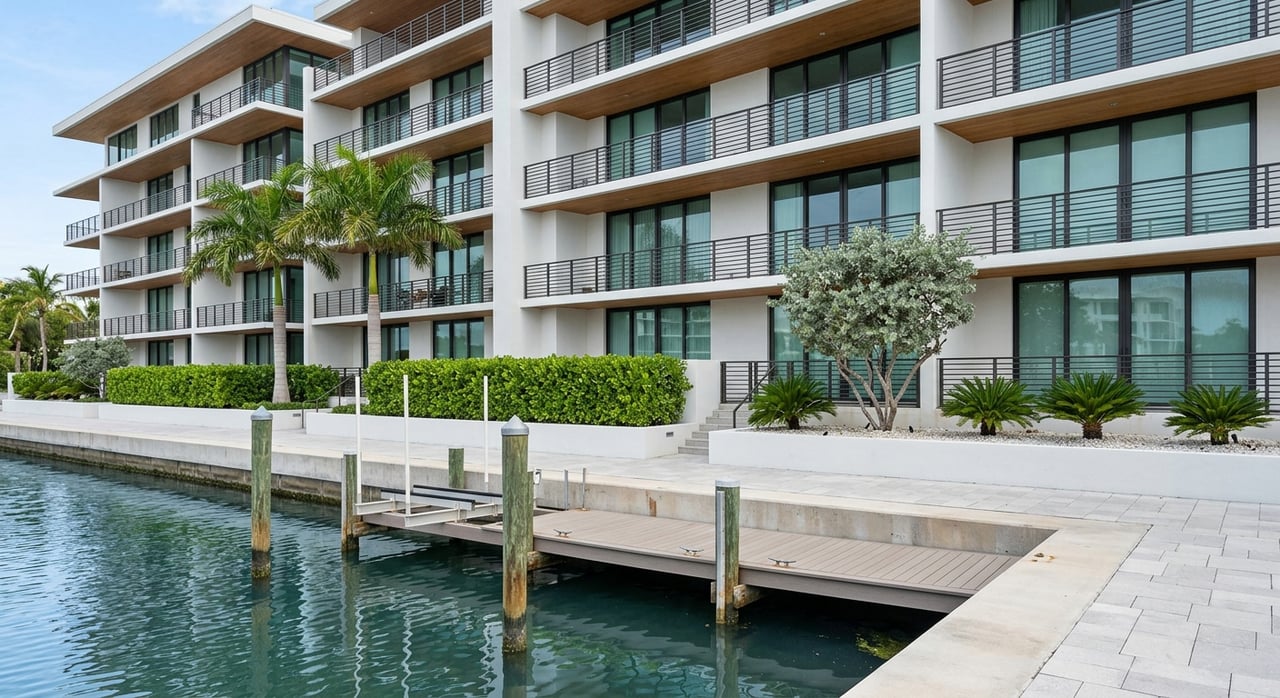
Your seawall and dock protect the home and land behind it. Watch for early warning signs and keep your permits current.
- What to look for: Visible cracking or spalling in caps or panels, exposed or corroded anchors, sinkholes or soil loss behind the wall, blocked weep holes, and toe scour. See industry guidance on seawall inspection frequency for cadence details.
- Inspection rhythm: Aim for twice-yearly visual checks and professional assessments after major storms. Underwater inspections are wise every few years, and sooner for older structures or high-wake areas.
- Budgeting: Inspection visits typically cost in the low hundreds, while significant repairs or replacement vary widely by access and materials. Use conservative ranges and get multiple bids using planning ranges for seawall costs.
- Permits and fees: In-water work often needs Town, state, and sometimes federal authorization. Start with the Town’s checklists and the Town’s permit fee schedule, then consult state and federal guidance as needed. Local rules can change, including maximum seawall heights, so verify the current ordinance before designing work.
- Environmental sensitivity: Seagrass beds and manatee protection zones shape what you can do and when. Review resources like the Sarasota-Manatee Water Atlas and coordinate with the Town before planning dredging, piling work, or shoreline changes.
Humidity and HVAC: keep mold at bay
Moisture control is the single best way to protect a closed Florida home. The EPA’s guidance on humidity and mold recommends keeping indoor relative humidity below 60 percent, ideally 30 to 50 percent.
- Set a target: Program your thermostat or dehumidifier to maintain RH under 60 percent while you are away.
- Keep air moving: Ask your manager to run the system periodically to maintain airflow and verify humidity.
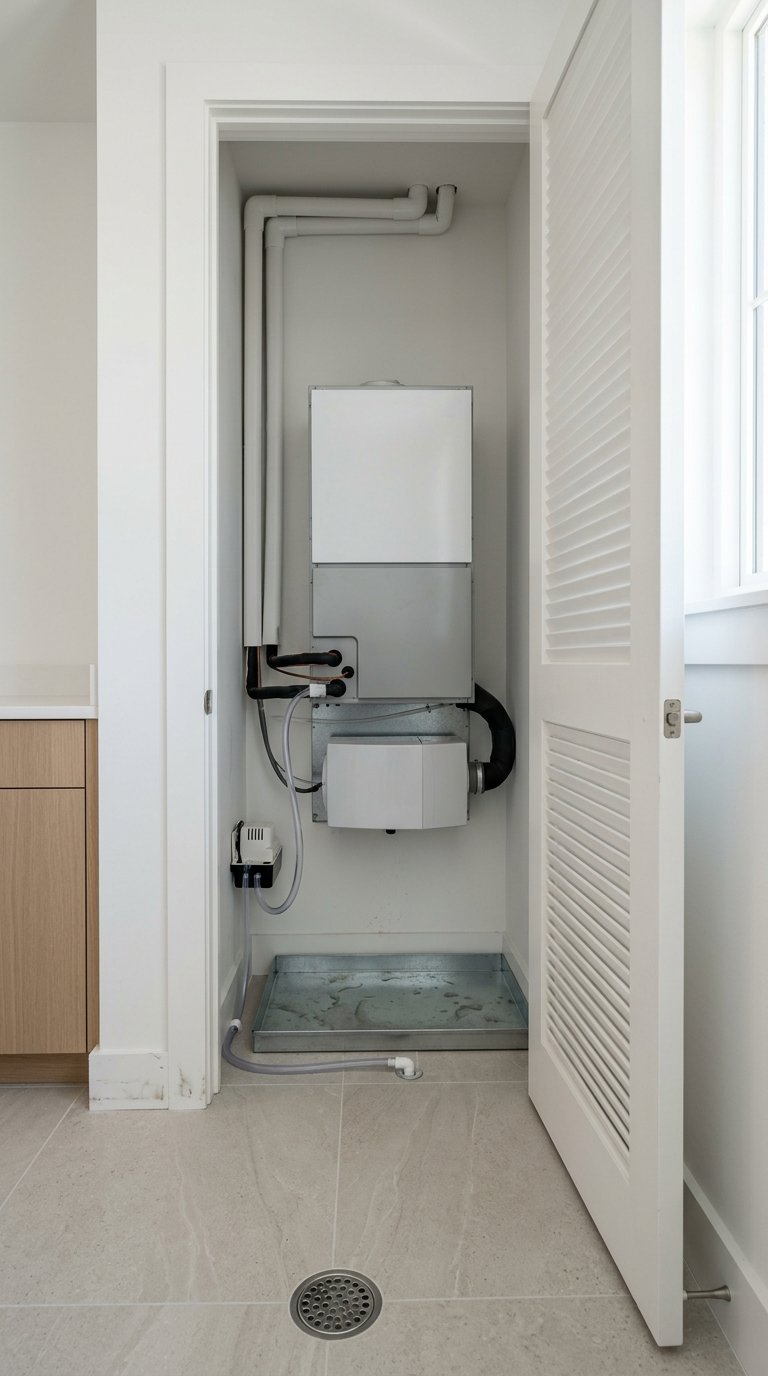
- Prevent condensate issues: Clear and test drain lines before long absences, and place a water sensor in the A/C pan.
- Plan for salt air: Coastal installations face accelerated corrosion. Discuss corrosion-resistant options for outdoor units and schedule rinses and inspections more often than inland homes.
Leak defense and backup power
Water leaks are the most common source of major damage in unoccupied homes. Add simple tech and protocols.
- Smart leak protection: Place water sensors at water heaters, under sinks, around laundry, and in A/C drain areas. Consider an automatic shutoff valve on the main line tied to your sensors.
- Clear authority: Give your manager written authority to shut off water and approve emergency remediation up to a set dollar amount.
- Backup power: If you keep refrigeration, security, or humidity control running, plan a generator strategy with proper permits and maintenance. Confirm Town rules before any permanent installation.
Vendor onboarding and verification
Set vendors up for success with a short, written plan and proper license checks.
- What to provide: Your scope of services, inspection cadence, and a contact list that includes your insurance agent and preferred contractors. Define who pulls permits and who can approve emergency work.
- License and insurance: Verify contractor credentials through Florida’s DBPR license verification. Request a certificate of insurance for general liability and workers’ comp when applicable, and keep copies on file.
- Reporting: Ask for email updates with date-stamped photos after every check and within a set time after any incident.
- Useful contract phrase: “Contractor will be licensed in Florida, carry general liability insurance of at least $X, name owner as additional insured, pull all required permits, and deliver date-stamped photos and final as-builts at close.”
Seasonal checklist you can save
Use this quick-reference to keep your Longboat Key home on schedule.
March to May
- Review insurance and flood coverage; confirm flood zone with the FEMA Flood Map Service Center.
- Pull Town permit records; resolve open items via Town of Longboat Key building forms and checklists.
- Book HVAC service and set away-mode humidity targets.
- Schedule a seawall and dock inspection; photograph existing conditions.
June to November
- Weekly exterior checks; monthly interior checks with humidity readings.
- Pre-storm: secure outdoor items, lift or relocate boats, confirm emergency contacts.
- Follow Manatee County Emergency Management guidance for evacuation and re-entry if you are in Manatee County.
November to February
- Fall HVAC tune-up; clean gutters; roof and attic check.
- Service generator and confirm fuel plan.
- Review vendor performance and update your contact list and protocols.
Budget and bids
Plan for routine inspections and the possibility of capital work on waterfront structures and building systems. Seawall inspections are typically a few hundred dollars, and larger repairs vary widely by access and materials. Use conservative estimates, get written scopes, and request at least two qualified bids referencing planning ranges for seawall costs. For any permitted work, start with the Town’s checklists and the Town’s permit fee schedule.
A thoughtful plan lets you lock and leave with confidence. If you want a tailored property care roadmap or are considering selling, let a local waterfront advisor help you weigh timing, improvements, and market value. Connect with Richard Strauss to align your seasonal strategy with your real estate goals.
FAQs
Should I shut off the water while away in summer?
- Shutting off the main reduces leak risk, but if you also power down HVAC, humidity can climb and raise mold risk; keep minimal HVAC or dehumidification running or combine water-off with frequent interior checks and moisture monitoring.
Do I need flood insurance for Longboat Key?
- Flood coverage is separate from homeowners insurance; if the home is in a Special Flood Hazard Area, lenders usually require it, so check the FEMA Flood Map Service Center and consult your insurance agent early.
How often should a seawall be inspected?
- Plan for at least annual visual checks, plus professional or underwater inspections every few years or after major storms; older walls may need closer attention, and inspections usually cost a few hundred dollars.
Who pulls permits for dock or seawall work?
- Confirm in writing whether you, your contractor, or your property manager will pull permits; always start with the Town’s checklists and fee schedule and confirm state or federal requirements before in-water work.
What humidity level should I set when I’m away?
- Aim to keep indoor relative humidity below 60 percent, ideally 30 to 50 percent, using programmed HVAC or a dehumidifier with remote monitoring, per the EPA’s guidance on humidity and mold.