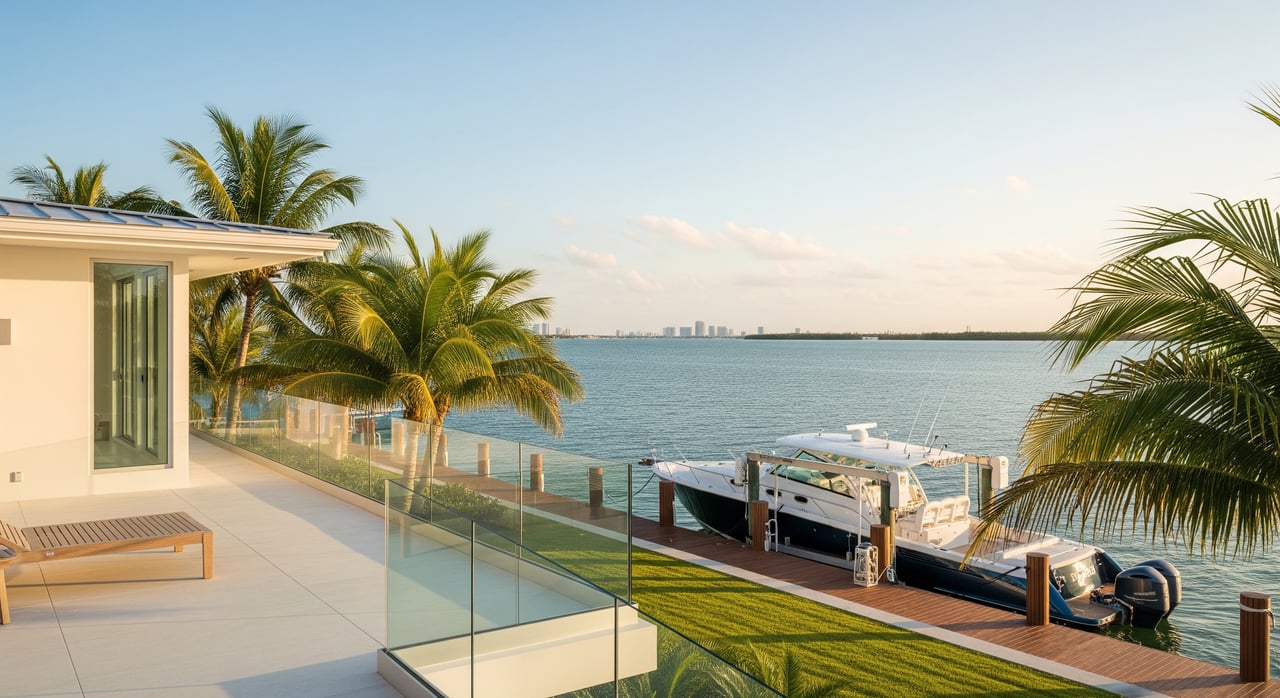
Trying to choose between a canal home and a bayfront home on Bird Key? You are not alone. The right fit comes down to how you boat, the kind of view you want, and how much ongoing maintenance you are comfortable managing. In this guide, you will learn the real differences in boating access, wind and wake exposure, views, permitting, and long-term costs so you can buy with confidence.
Let’s dive in.
Bird Key waterfront options at a glance
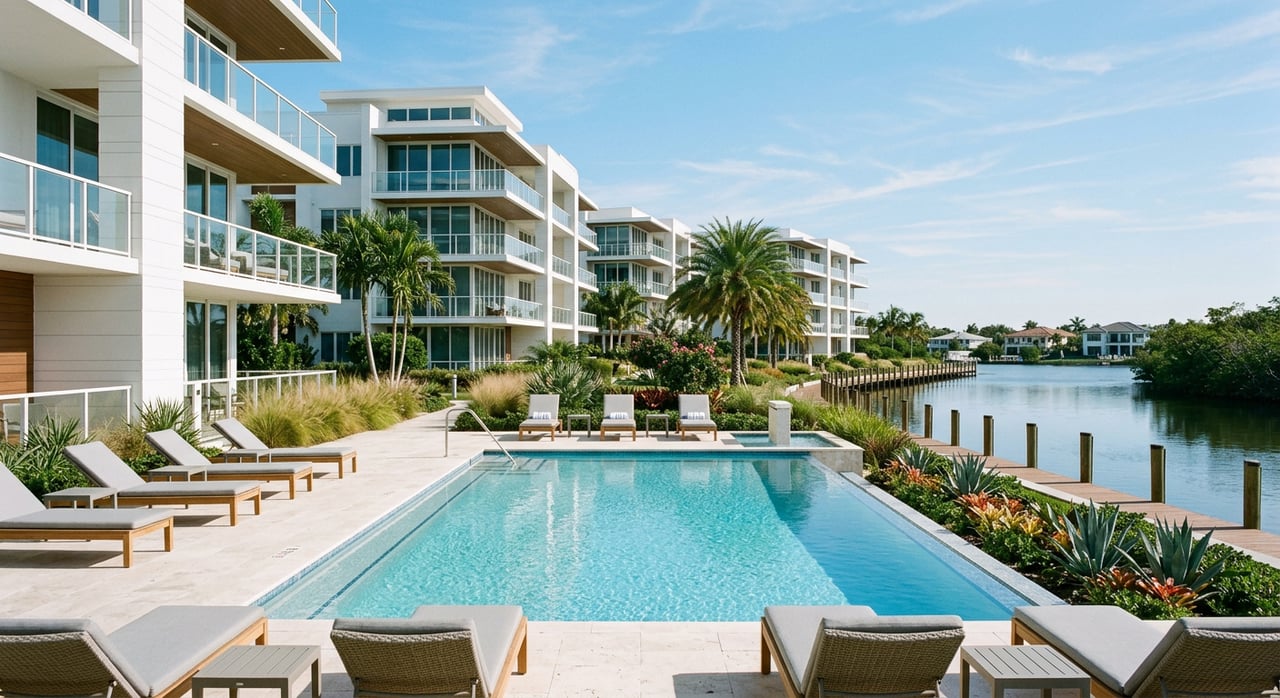
Bird Key offers two primary waterfront settings. Canal properties sit along protected residential canals or basins. Bayfront properties open to wide Sarasota Bay vistas and generally feel more exposed to open water. Each option changes how you use your dock, your daily comfort on the water, and your maintenance plan.
Keep in mind the details that matter most on the island: water depth near your lot, orientation to prevailing winds, the type and condition of your seawall, and how you will reach navigable channels. You should also be ready to check local rules and permits before you change a dock or rebuild a seawall.
Boating access: how you use the water
Canal access
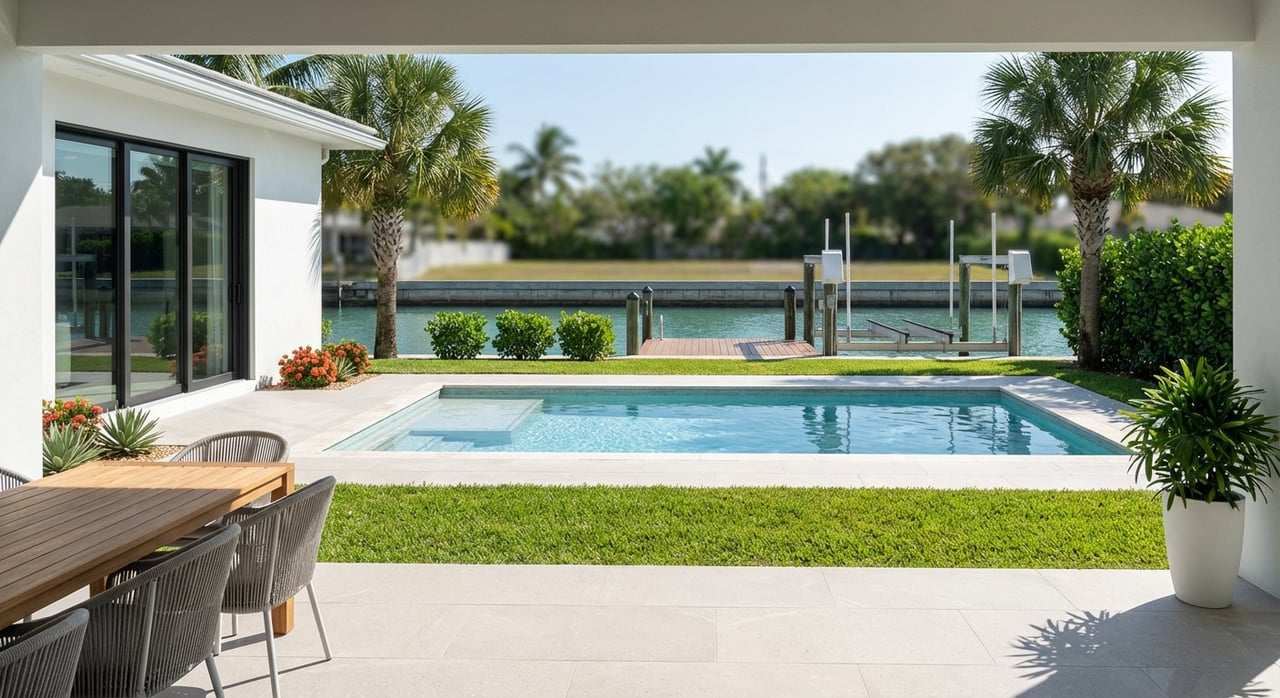
Canal homes usually offer calm, protected docking steps from your back door. Boarding, loading, and day-to-day upkeep are simpler in sheltered water, and small craft like kayaks and tenders are easy to manage. This setup often suits smaller powerboats, personal watercraft, or sailboats with shallow draft.
The tradeoff is depth and maneuvering. Some canals can be shallow or silted, which limits draft for larger vessels. Narrow fairways and tight turns can challenge longer boats. In certain areas, canals or basins may need periodic dredging, and who pays for that can vary by owner, association, or special district.
Bayfront access
Bayfront lots typically offer quicker routes to open water and often have deeper water just offshore. That can mean more flexibility for larger boats, wider dock layouts, and higher-capacity lifts. If you plan frequent trips across Sarasota Bay or out toward the Gulf, the open approach can be a plus.
Still, you should confirm channel routes, bridge clearances, and public traffic patterns. Even on open frontage, you may need to follow marked channels to reach the deepest water.
What to verify for any dock
- Confirm depth at the proposed dock location at mean low tide. Depths change with sedimentation.
- Check for nearby maintained channels and the route you will use to reach them.
- Note any fixed or movable bridges on your path and their clearances or opening schedules.
- Verify that docking permissions and any easements are in order.
Wind and wake exposure on Bird Key
Bayfront exposure
Open-bay homes see more wind and wave energy because of a larger fetch across Sarasota Bay. You may experience choppier conditions, more wake from passing boats, and greater wear on docks and seawalls. Landscaping and seawall design often reflect this higher energy, and you might build docks higher or use more robust materials.
Canal shelter
Canal properties are generally calmer. Reduced wind and wave action makes boarding safer and more comfortable. Be aware that narrow canals can concentrate wake from boats that enter or leave the basin, so wake impact can still occur at busy times.
Seasonal and storm factors
Wind patterns shift with the seasons and cold fronts. Hurricane and storm surge risk affects both property types but in different ways. Bayfront lots can see larger surge wave action, while canals can experience strong current and debris movement. If exposure matters to you, review local marine wind and wave climatology and plan dock designs accordingly.
Views, privacy, and lifestyle
Bayfront experience
Bayfront homes deliver panoramic views of Sarasota Bay, along with dramatic sunrises or sunsets depending on orientation. Many buyers value the sense of openness and prestige that comes with a wide-water vista. The tradeoff is less privacy and more ambient noise from open-water traffic and wind.
Canal experience
Canal homes feel more intimate and neighborhood-oriented. You see neighboring docks and boats rather than a wide horizon, and vegetation can add privacy. If you enjoy a quieter setting with an easy routine for paddleboarding or tender runs, canals can be a strong fit.
Maintenance and permitting realities
Seawalls and bulkheads
Bayfront seawalls take more energy and typically need stronger engineering, frequent inspection, and timely repair. Canal seawalls face less wave action but still require care for settlement, seepage, or incidental boat contact. Any shoreline work usually needs county or city permits, and some projects also require state or federal authorization.
Docks and lifts
Bayfront docks are often built higher and stronger to handle waves and wake. Lifts may need more capacity for larger boats. Canal docks can be simpler, but lot frontage and local setbacks may limit dock width or configuration. Always confirm what is permitted before you design a new structure.
Dredging and sediment
Silt can build up in canals and enclosed basins. Some areas require periodic dredging with real cost and regulatory steps. Responsibility for dredging varies. Check title documents, HOA records, and county files so you understand who pays and how often maintenance occurs.
Insurance, flood, and storm risk
Both canal and bayfront homes sit in coastal flood and wind zones. Flood insurance eligibility, premiums, and required elevations depend on FEMA flood maps, elevation certificates, and the home’s construction details. On Bird Key, bayfront lots may face higher exposure to wave action, and insurance costs can differ even between nearby homes, so get quotes early. Strong wind and hurricane mitigation matters across both property types.
Cost and resale picture
- View premium: Open-bay views often command a price premium compared to canals. Expect higher prestige with the potential for higher insurance and maintenance.
- Liquidity and buyer pool: Bayfront homes draw buyers seeking open-water access and expansive views. Canal homes appeal to those who value protected dockage and easy daily boating.
- Long-term liabilities: Budget for seawall repair, dock rebuilds, potential dredging, and insurance. These line items shape the true cost of ownership over time.
- Policy changes: Setbacks, elevation rules, and coastal regulations evolve. Keep an eye on local planning guidance and state policy so you can plan projects and resale timing.
Decision framework for Bird Key buyers
Use this simple process to match your habits to the right lot type.
Step A — Clarify your boating profile
- What is your typical boat size and draft? Will you step up in size soon?
- How often will you use the boat and for what trips? Local weekends versus longer coastal runs.
- Do you need on-site dockage, or is a marina an option for the primary vessel?
- How comfortable are you with ongoing dock and seawall maintenance?
Step B — Verify site specifics for each property
- Depth at your intended dock location at mean low water, plus recent soundings if available.
- Existing dock and lift condition, age, and capacity. Ask for inspection reports.
- Seawall type, age, and repair history. Seek engineering records if available.
- Canal or basin dredging history and any assessments or rights for maintenance.
- Permits on record for docks and seawalls and whether state or federal approvals were needed.
- Flood zone, required elevations for remodels or rebuilds, and an elevation certificate.
- Recorded easements that may affect docking.
- Local boat traffic and no-wake patterns. Visit at different times to observe wakes and noise.
Step C — Consult the right experts
- Marine contractor or naval architect for dock feasibility and cost.
- Coastal engineer for seawall condition and permitting path.
- Local permitting office to confirm approvals and timelines.
- Insurance broker with coastal experience for realistic premium ranges.
- Real-estate attorney or title company for easements and assessments.
Step D — Build a realistic budget
- Dock construction or replacement for your intended design and lift.
- Seawall repair or upgrades and expected lifespan.
- Annual maintenance for hardware and piles.
- Potential dredging frequency and costs, if applicable.
- Insurance premium differences between comparable canal and bayfront options.
- Any HOA or special district assessments tied to waterways.
Canal vs bayfront: quick picks
- Prioritize calm, protected docking and easier day-to-day use for small craft. Choose canal.
- Prioritize immediate access to deeper water and wide views. Choose bayfront.
- Want both benefits? Look for deeper canals or wider basins that combine shelter with practical depth.
What to do next
- Schedule a site-specific depth check and dock inspection before you write an offer.
- Pull permit history and review any HOA or special district documents for dredging.
- Get flood and wind insurance quotes early in your process.
- Visit the property on a busy weekend and a calm weekday to gauge wake and noise.
- Use offer contingencies tied to acceptable dock and seawall conditions or key permitting outcomes.
When you are ready to evaluate specific Bird Key properties through a boating lens, connect with Richard Strauss for a calm, data-driven walkthrough of your options.
FAQs
Will a Bird Key canal home fit a large yacht?
- Only if the canal’s depth, width, and turning basin match your yacht’s length and draft. Get a site-specific depth survey and a maneuvering assessment.
Who handles dredging costs on Bird Key canals?
- Responsibility varies by owner, HOA, or special district. Confirm in disclosures, HOA documents, and county records before you commit.
Are Bird Key bayfront homes more expensive to insure?
- Often yes due to higher exposure to waves and flood risk, but costs depend on elevation, construction, and insurer underwriting. Get quotes for the exact property.
Do Bird Key bayfront homes hold value better?
- Open-bay views often command a premium if local buyers value views and quick access. Higher maintenance and insurance can offset that. Demand varies by market.
What permits are needed to replace a dock or seawall on Bird Key?
- Expect county or city permits, plus state and sometimes federal approvals depending on scope. Start with the local permitting office to map the process.
How should sea level rise factor into a Bird Key purchase?
- It affects elevation requirements, seawall design and lifespan, and long-term insurance and maintenance planning. Review local adaptation policies and engineer guidance.