Are you planning to sell your Harbor Acres waterfront home but unsure how to pick the right price? With docks, seawalls, flood zones, and water depth to consider, pricing is more technical than a standard neighborhood sale. In this guide, you will learn the exact value drivers buyers focus on, the documents that support your price, and a step-by-step approach to set a price range that holds up during negotiations. Let’s dive in.
What drives value on the water
Water type and navigability
Direct Sarasota Bay exposure often commands a premium over interior canals. Buyers pay close attention to water depth at mean low tide, permitted boat lifts, and how quickly they can reach the bay or Gulf. If you need authoritative tide context, review local conditions through NOAA tides and water-level data.
Dock and seawall condition
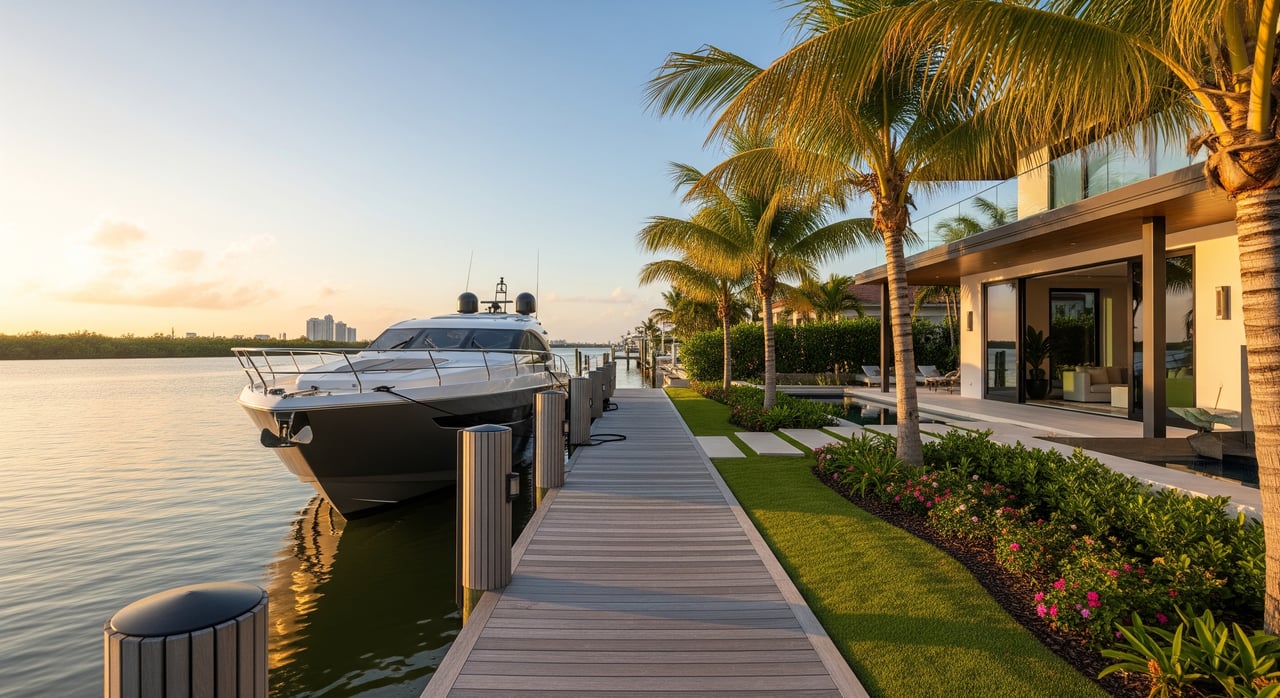
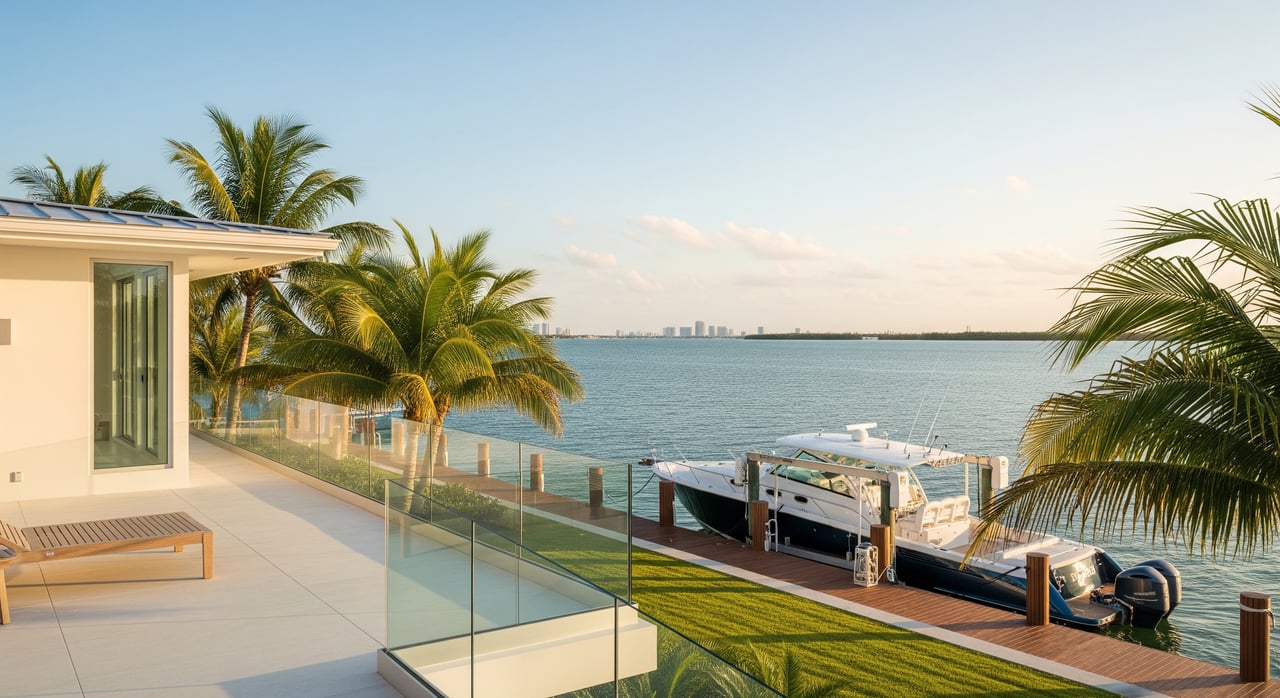
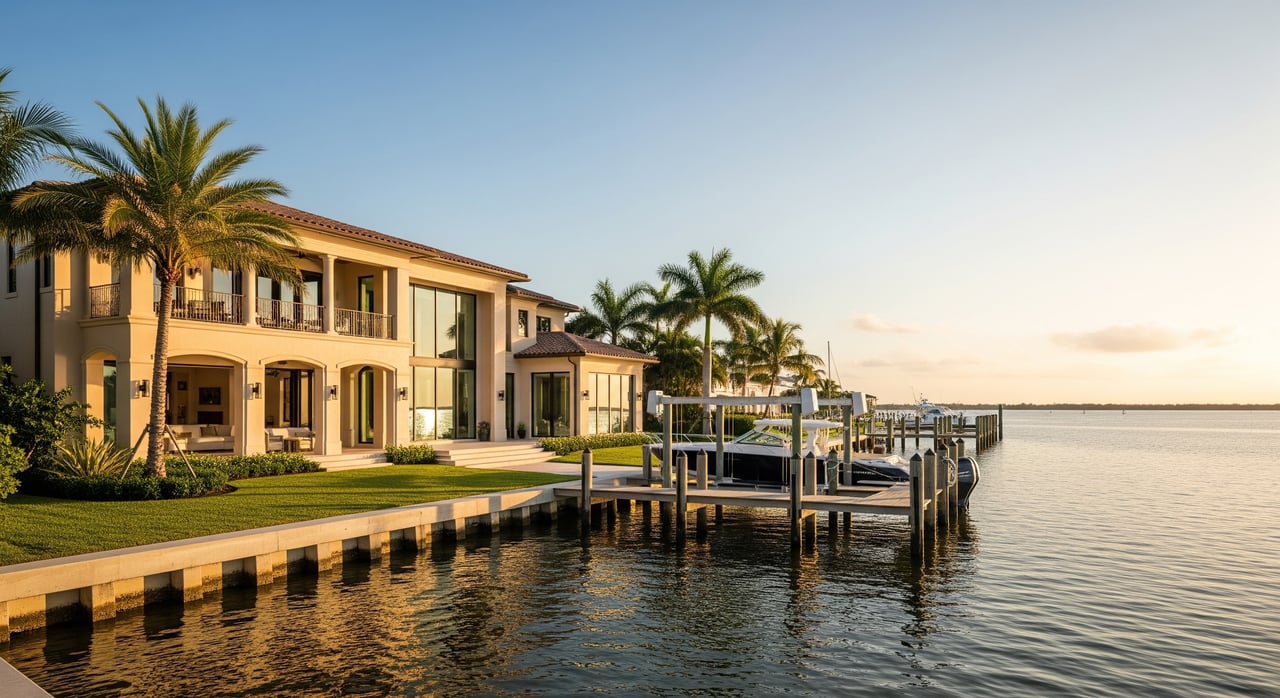
A functional, permitted dock with an appropriate lift is a major value driver. Seawalls with documented remaining life reduce buyer uncertainty. Unpermitted or failing structures can lower offers. For rules and permits, check Sarasota County permitting and state coastal guidance through the Florida Department of Environmental Protection.
Lot frontage and elevation
Linear feet of water frontage and lot orientation matter in Harbor Acres. Greater frontage can support premium pricing, especially with open-view corridors. Elevation and flood-zone placement affect insurance and buyer comfort. You can verify flood zones and gather map details at the FEMA Flood Map Service Center.
Home condition and coastal features
Hurricane-rated windows and doors, wind mitigation measures, and coastal-grade materials are attractive to waterfront buyers. These items may also help reduce insurance costs. For general flood insurance information, review the National Flood Insurance Program.
Pricing methods that work
Comparable sales with tight filters
Use recent Harbor Acres comps with the same water type, similar water depth, dock status, frontage, and elevation. Because truly comparable sales are limited, expect to apply careful adjustments and present a supported price range, not just a single number.
Per linear foot and paired sales
For lots, price per linear foot of water frontage is a useful lens. For improved properties, pair that with square-foot analysis and dock value. You can also study paired sales on the same canal or block, comparing a home with a dock to a similar one without to estimate the premium.
Cost-to-replace adjustments
If the seawall or dock needs near-term replacement, estimate the cost and adjust your price expectations accordingly. Buyers will factor this in. Having written contractor estimates makes these adjustments credible.
Pre-list seller checklist
- Pull recent closed and active waterfront comps from the local MLS with strict filters for water type, dock, and frontage.
- Order an Elevation Certificate and confirm your flood-zone status via the FEMA Flood Map Service Center.
- Hire a licensed marine or seawall inspector and secure a written condition report with repair or replacement estimates.
- Obtain wind mitigation and pre-list home inspection reports to reduce renegotiation risk.
- Gather permits and documentation for the roof, dock, seawall, lifts, and any additions.
- Request sample quotes for wind and flood coverage. Direct buyers to the National Flood Insurance Program for program basics.
- Decide on repair vs seller credit for major items based on expected return and buyer expectations in Harbor Acres.
- Build a price range with clear assumptions: low, market, and aspirational scenarios.
- Prepare a marketing packet with inspections, permits, elevation certificate, and insurance information.
- Revisit pricing after key nearby sales or seasonal shifts.
Set your list price with confidence
Use a price range, not just one number
A supported price band helps you stay nimble as new comps close or inspection results arrive. Tie each band to clear conditions, such as “as-is with seawall credit” versus “fully repaired seawall and lift service.”
Repair or offer a credit
Completing seawall or dock work can widen your buyer pool and support a higher price, but it requires capital and time. A capped seller credit can be effective for cash-ready buyers who want control over the work.
Timing and seasonality
Sarasota’s market is seasonal, with stronger buyer traffic in fall and winter. Aligning your launch with peak showing periods can support your initial price. For broad market context, watch the Sarasota Association of Realtors market reports and Florida Realtors statewide trend reports.
Psychological pricing and MLS strategy
In a niche buyer pool, accurate pricing beats teaser tactics. Choose price points that reflect true condition and water access. This helps you attract qualified boat buyers who value your specific features.
Reduce risk and buyer friction
Be proactive about flood and insurance topics. If your home is in a Special Flood Hazard Area, financed buyers may need flood insurance. An Elevation Certificate can help refine premiums and give buyers more certainty. Confirm zones through the FEMA Flood Map Service Center, and share program details from the National Flood Insurance Program. Also confirm that docks, lifts, and seawalls have permits that align with Sarasota County permitting and applicable Florida Department of Environmental Protection rules.
Marketing that supports price
- Highlight navigability, depth at low tide, and time to open water. Use screenshots or references from NOAA tides and water-level data for context.
- Include high-quality photos of the dock, lift, and seawall. Keep the dock clear and safe for showings.
- Package key documents: elevation certificate, marine inspection, permit history, wind mitigation report, and recent insurance quotes. These materials help buyers act faster and support your price.
Negotiation playbook
- Present written contractor estimates or recent receipts for marine work to anchor discussions.
- Offer capped credits tied to specific repairs rather than open-ended concessions.
- Anticipate requests related to inspection, financing, and insurance. Address them upfront with your documentation pack.
When comps are limited
Harbor Acres has a small set of truly comparable waterfront sales at any given time. To keep your pricing accurate:
- Widen the search slightly and document any location-based adjustments.
- Use multiple methods together: paired sales, linear-foot analysis, and cost-to-replace estimates for seawalls and docks.
- Update your range as new sales close. Small data changes can shift market positioning.
Ready to plan your pricing?
You can price with confidence when your story is documented: water type and depth, dock and seawall condition, frontage, elevation, and clear insurance data. If you want a Harbor Acres valuation that accounts for boating realities and today’s buyer pool, connect with Richard Strauss to get your free home valuation.
FAQs
How do Harbor Acres waterfront premiums work?
- Premiums depend on water type, depth at low tide, dock and lift quality, seawall condition, frontage, elevation, and overall home condition. Use recent local comps and paired-sales analysis to estimate your premium.
Should I replace a failing seawall before listing?
- If failure is near, completing the work can increase the buyer pool and support a higher price. If you prefer not to do the work, provide written estimates and consider a capped credit.
How does flood-zone status affect my price and sale?
- If the home is in a Special Flood Hazard Area, financed buyers may need flood insurance, which can affect offers. An Elevation Certificate and sample quotes help reduce uncertainty.
What documents help justify my asking price?
- Gather recent comps, a seawall and dock inspection with estimates or receipts, permits, an Elevation Certificate, a wind mitigation report, and sample insurance quotes.
How should I price if comparable sales are limited?
- Present a price range supported by multiple methods, widen the search radius with documented adjustments, and update your range as new sales close.
What details matter most to boat buyers in Harbor Acres?
- Navigability to the bay, depth at low tide, dock and lift specs, seawall condition, frontage, and view quality are top priorities for qualified boat buyers.