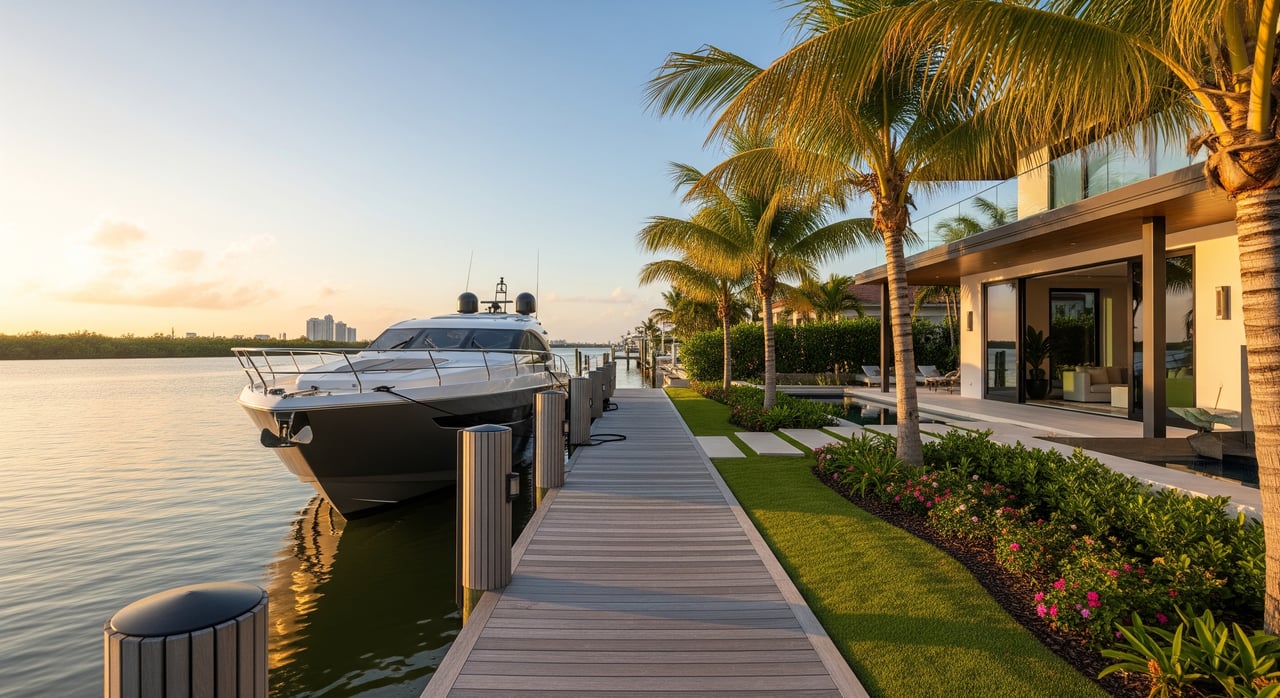
How quickly do you want to untie the lines and be in open water? On Bird Key, you sit between downtown Sarasota and St. Armands, with Sarasota Bay right outside your backyard. If you are a boat owner or plan to become one, this island is known for private docks, quick access to marinas, and a daily rhythm that starts and ends on the water.
In this guide, you will learn how Bird Key works for boaters: dock types, canal depth considerations, routes to the Gulf, permitting, storm prep, and practical costs to plan for. You will also get a clear checklist to use during due diligence. Let’s dive in.
Where Bird Key fits on the water
Bird Key is a small, built-out island connected by the Ringling Causeway, set between downtown Sarasota and the St. Armands and Longboat Key corridor. You can reach downtown marinas, restaurants, and cultural venues in minutes by car or bike. Many owners use the island as a launch pad for day boating, fishing, and quick hops to the barrier island beaches.
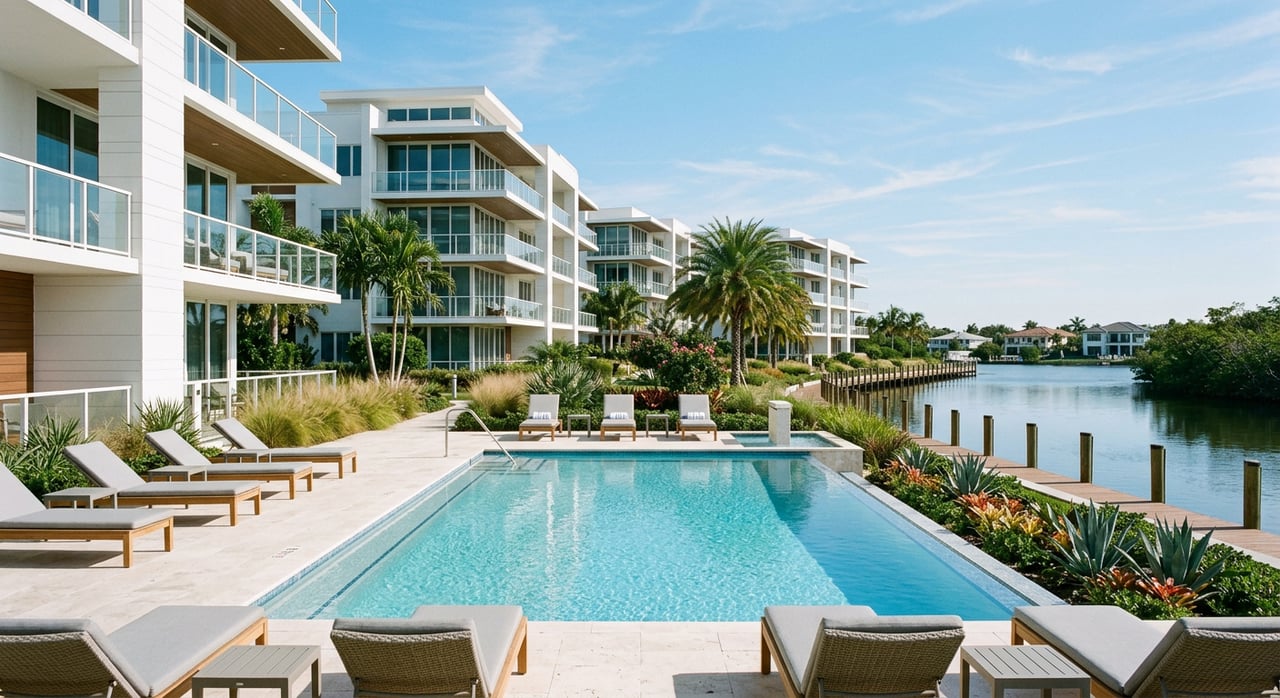
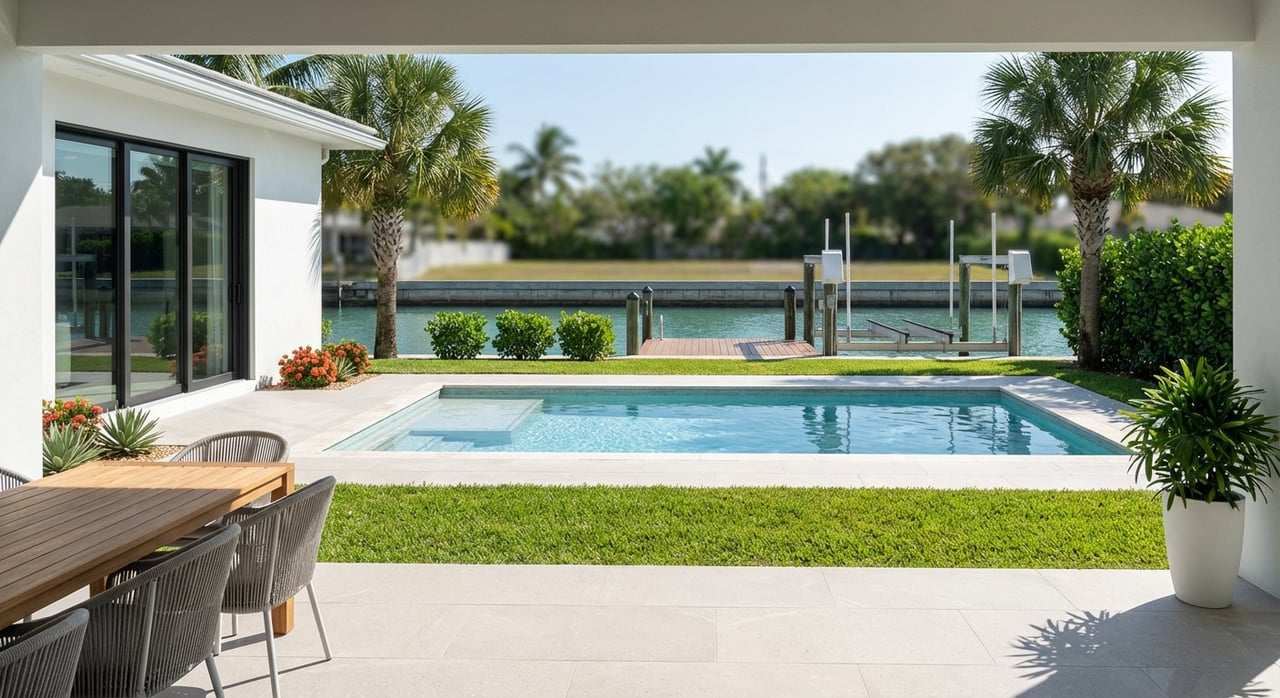
Waterfront homes are typically either bayfront or canal-front. Bayfront lots offer open-water views and exposure to Sarasota Bay, while canal-front properties provide more protected dockage on residential canals. Most homes on the water include private docks and many have boat lifts.
Depth in the canals varies by location. Tides, shoaling, and channel maintenance all play a role, so you should verify usable depth at each property. The safest course is to treat depth as a property-specific item you will confirm with a survey and local knowledge.
Quick boater snapshot
- Minutes to downtown Sarasota marinas and services
- Direct access to Sarasota Bay, with Gulf access through nearby passes depending on route
- High concentration of private docks and lifts, with permitting and maintenance as key ownership items
Dockage and boating access
Private docks and lifts
Most waterfront homes on Bird Key have a private dock, often paired with a lift. Dock design and orientation vary by lot shape and shoreline. On canal-front properties, slips tend to be more protected. On bayfront lots, you gain views but may face more wind and wave exposure.
You should confirm the current dock permit status, any recorded easements, and whether the lift and electrical systems meet your vessel’s needs. Many docks provide 30 or 50 amp shore power, but you should verify amperage, condition, and grounding.
Canal layout and vessel size
Canal geometry and allowed dock lengths will influence your maximum boat size. Some canals handle larger boats, while others are limited by depth, width, or local rules. Low-tide depth at your slip matters for draft, and nearby turns or narrow canal sections can affect maneuvering.
If you plan to keep a larger yacht, review permitted dock dimensions, confirm mean low-water depth at the slip, and check for any fixed-bridge or shallow-bar pinch points in your approach. Vessel fit is one of the most important Bird Key decisions.
Transit times and routes
Expect a short boat ride to downtown facilities. You will reach Sarasota Bay in minutes, and you can choose routes to the barrier islands and Gulf passes based on weather, vessel speed, and tides. Keep seasonal slow-speed or no-wake zones in mind, and plan for variation on busy weekends.
For larger trips, many owners run to waterfront restaurants or make longer day runs along the coast. With the bay at your doorstep, you can adjust plans as conditions change.
Fuel, provisioning, and repairs
Fuel and provisioning are available at downtown Sarasota marinas and other nearby facilities. Bird Key itself is a residential island, so you will typically fuel up at marinas in the downtown or St. Armands and Longboat Key areas. Repair, haul-out, and service options are spread across the region, with some yards off-island.
Guest and transient options
Most residential access on Bird Key is via private docks. For visiting friends with larger vessels or for overflow needs, contact local marinas in advance, especially in peak season. Transient availability fluctuates with events and weather patterns, so planning ahead is wise.
Permitting, regulations, and the shoreline
Who permits docks and seawalls
Dock, lift, and seawall work often involves multiple agencies. The City of Sarasota handles local shoreline permits, zoning, and setbacks. State-level approval may be required through Florida environmental regulators for work seaward of the mean high-water line, dredging, or impacts to submerged lands. Federal review by the U.S. Army Corps of Engineers applies for structures or dredging in navigable waters. Sarasota County may also have environmental requirements where applicable.
Before you buy, confirm that existing docks, lifts, and seawalls were permitted and inspected. Check for open permit or code enforcement items, and save copies of all approvals and plans in your file.
Seawall condition and costs
Seawalls and riprap protect your shoreline but wear over time. Replacement or major repairs can be substantial and usually require permits. When seawall work triggers design updates, you may see requirements for elevation or scouring protection. You should obtain a condition assessment and budget for ongoing maintenance.
Dredging and channel maintenance
Private dredging near docks is heavily regulated. Federal and state permits are usually required, and approvals are not guaranteed. Natural shoaling can change over time, so it is important to understand local history in your canal. Treat dredging as a complex and potentially costly option rather than an assumption.
Environmental protections on the water
You will find manatee protection areas, seagrass protections, and speed zones across Sarasota Bay. These can set speed limits, create no-wake areas, or limit anchoring and construction. Obey posted markers and check seasonal rules during planning. Seagrass protections can also shape where you place docks or moorings.
Storm plans for boats
Your storm plan is essential. Owners commonly haul out to a yard, move to a well-protected marina with a storm plan, or leave the vessel on a rated lift when that is appropriate. Have a written plan before storm season, including contact information, triggers for action, and the location of your lines, chafe gear, and fendering.
Risk, insurance, and lending
Flood and wind coverage
Waterfront homes are often within FEMA Special Flood Hazard Areas or other elevated-risk zones. Lenders may require flood insurance, and you should obtain quotes for flood and wind coverage early in your process. Premiums depend on factors like elevation, flood zone, and wind mitigation features.
Boat insurance is separate. Marinas and storage yards can also set policy requirements. Get all quotes up front so you can understand your total cost of ownership.
Lender expectations for waterfront
Lenders familiar with waterfront property often request an elevation certificate and pay close attention to seawall and dock condition. Appraisers also consider shoreline improvements. You will save time by compiling permits, recent maintenance records, and any inspections for the dock, lift, and seawall.
Lifestyle and everyday convenience
On-water lifestyle
Bird Key offers a boating-centric lifestyle in a refined residential setting. Many owners use their boats for recreation, fishing, casual cruises, and trips to waterfront dining. You can balance an island pace with the amenities of a nearby downtown.
Getting to downtown and beaches
By land, you are a short drive or bike ride to downtown Sarasota for restaurants, galleries, the Ringling museum complex, shopping, and Marina Jack. St. Armands Circle and the barrier-island beaches on Lido and Longboat Key are also close, making it easy to choose between a bay cruise and a beach day.
Schools and services
Grocery stores, pharmacies, and medical offices are a short drive away on the mainland. School assignments vary by address, so check zoning directly with the Sarasota County School District.
Noise and privacy expectations
Boating activity on the bay and canals creates wakes and engine noise at times, especially near popular routes and during holidays or events. Nighttime activity is usually lower, but you should expect some variability with weather and seasons.
Short-term rentals and HOA rules
Rental rules depend on the City of Sarasota and any neighborhood covenants. If you plan to rent, confirm local zoning and HOA rules before you write an offer. Some waterfront neighborhoods limit short-term rentals.
Buyer due diligence checklist
Use this list to move from daydreaming to a confident purchase.
- Dock and seawall
- Confirm legal ownership and any recorded easements along the shoreline.
- Verify permits for the dock, lift, and seawall, and collect dates of last repairs.
- Order a structural inspection for pilings, decking, lift hardware, and dock electrical.
- Water depth and access
- Measure mean low-water depth at the slip for your boat’s draft.
- Map your approach for shallow bars, shoaling, or turning constraints.
- Identify any fixed bridges or pinch points that limit height or length.
- Permits and restrictions
- Confirm limits on dock length and boat size from city, county, state, or HOA.
- Check for conservation constraints such as seagrass or mangrove protections.
- Storm and security plan
- Ask neighbors where they keep boats during storm season.
- Review marina storm agreements and any haul-out options.
- Utilities and services at the dock
- Verify shore power availability and amperage for your needs.
- Confirm pump-out access or rules for onboard systems.
- Title and assessments
- Review title for easements that affect dock or shoreline use.
- Check for special assessments tied to seawalls or canal dredging.
- Insurance and lender requirements
- Collect an elevation certificate, if available, and confirm the flood zone.
- Obtain quotes for home, flood, wind, and boat insurance early.
Smart questions to ask sellers
- Are dock and seawall permits current, and when were they last repaired?
- What is the measured depth at low tide at the slip, and has shoaling been an issue?
- Are there any assessments for seawall or canal work?
- Where is the nearest fueling station and haul-out facility you use?
- Do HOA or city rules limit boat size, dock use, or short-term rentals?
- What is your standard storm plan for the vessel?
Professionals to involve early
- Coastal or marine surveyor to measure depth and inspect dock structures
- Licensed marine contractor for repair estimates and upgrade options
- Local real estate agent experienced with waterfront transactions
- Insurance broker who handles Florida flood and wind exposures
- Title company familiar with riparian rights and recorded shoreline easements
- City or county permitting contacts for dock, lift, and seawall approvals
Is Bird Key right for your boat?
If you want a home where your dock is the daily launch point, Bird Key offers a compelling mix of protected canal slips and open-bay outlooks, with downtown amenities in close reach. Your decision will come down to vessel fit, depth at low tide, shoreline condition, and insurance and maintenance costs that match your boating plans. With a clear checklist and the right team, you can find a property that supports how you actually use your boat.
Ready to explore specific lots, canal characteristics, and dock options that match your vessel’s draft and length? Connect with Richard Strauss for a focused, boating-first consultation.
FAQs
How close is Bird Key to downtown Sarasota by boat?
- Most trips are minutes, depending on your vessel speed and exact departure point. By land, Bird Key is also a short drive or bike ride to downtown.
Can I keep a large yacht at a Bird Key home?
- It depends on dock length, canal width, and low-tide depth at your slip. Verify permitted dimensions, recorded easements, and depth before you commit.
What should I budget for seawall and dock maintenance?
- Costs vary widely by materials and scope, and major seawall or dock projects can be significant. Plan for periodic maintenance and permit requirements.
Will my insurance be higher on Bird Key?
- Waterfront homes often carry higher flood and wind premiums, and boat insurance is separate. Quotes depend on elevation, flood zone, and wind mitigation.
Are there manatee zones or no-wake rules around Bird Key?
- Yes. Expect manatee protection areas, seagrass protections, and speed zones that set operating limits. Rules can be seasonal or year-round by location.
Is private dredging an option if my canal shoals?
- Private dredging is heavily regulated, requires state and federal permits, and is not guaranteed. Treat it as complex and potentially costly.
Can I rent my Bird Key home short term?
- Possibly, but you must verify City of Sarasota rules and any HOA covenants that limit rental activity before you proceed.