You picture your mornings on soft sand, your afternoons on the water, and your evenings at St. Armands Circle. The question is simple but important: which Lido Key condo fits how you actually live? Maybe you want a resort feel on the Gulf, a slip for your boat on the bay, or an easy walk to dinner and shopping. In this guide, you will compare the key micro-areas, see what amenities and costs to expect, and get a practical checklist that helps you buy with confidence. Let’s dive in.
Lido Key at a glance
Lido Key sits just west of downtown Sarasota, connected by the John Ringling Causeway. St. Armands Circle is the island’s compact dining and shopping hub, and many condo buildings are a short walk away. The City’s Bay Runner trolley connects Lido, St. Armands, and downtown, which makes car-light living realistic for many owners. You can review St. Armands and local transit details through the City’s overview of the area and services at the Circle on the City’s website for St. Armands Circle and Bay Runner details.
Because the island is narrow, the Gulf side and the Bay side are only blocks apart. That creates three practical choices for most condo buyers: beachfront, bayfront or canal, and walkable-to-St. Armands. Visitor guides also highlight the short walk times between Lido Beach and St. Armands Circle, which matches what you will see on the ground. See an island overview of public beaches in the county’s travel guide at Sarasota County beaches information.
Micro-areas: what fits your day-to-day
Beachfront: resort living on the Gulf
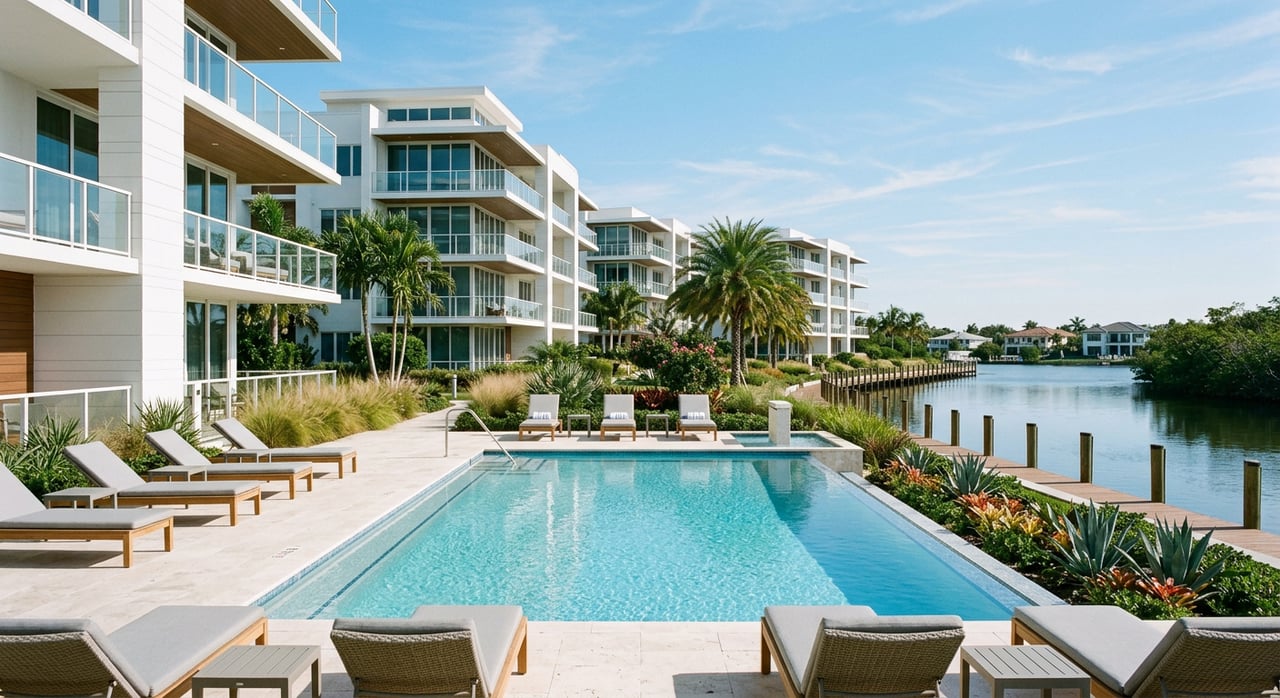
If you want immediate sand and sunset views, beachfront towers on mid and south Lido are your target. These concrete towers and branded residences focus on direct beach access, resort-style pools and cabanas, concierge or staffed reception, fitness centers, and often beach-club services. Expect higher association budgets that support these amenities and services. Buyers who want turnkey ownership and strong security often prioritize this zone.
Bayfront and canal: boating first
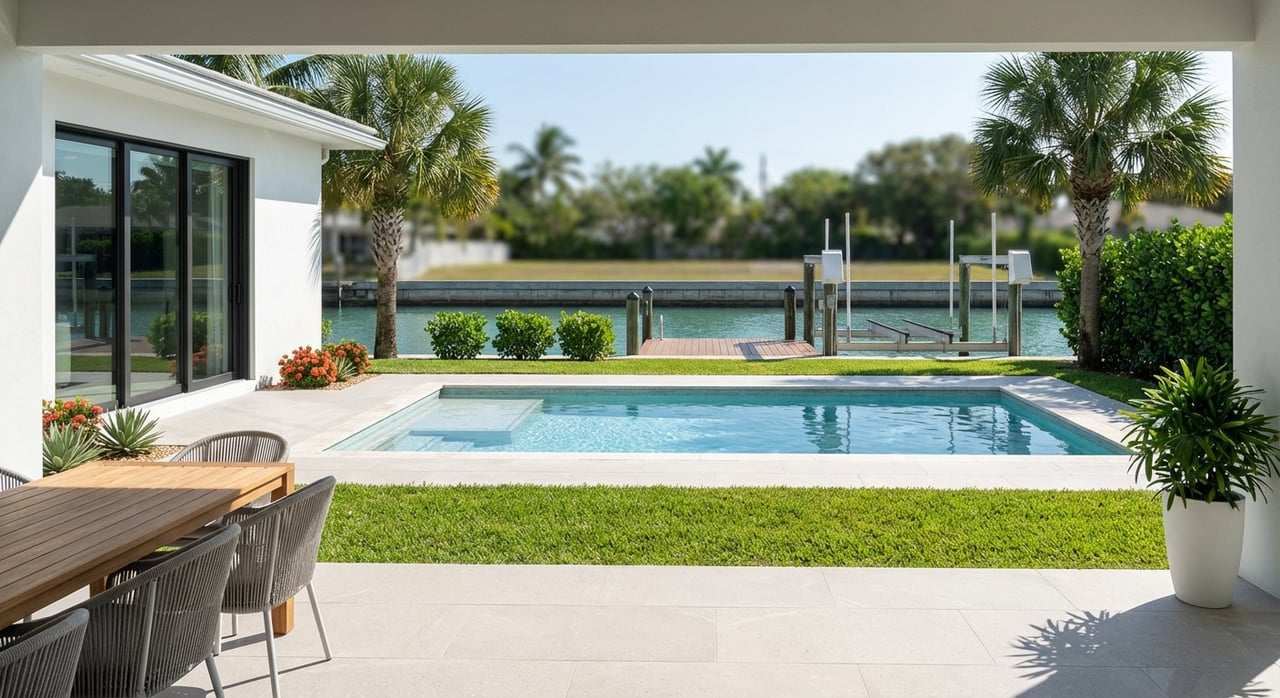
On the bay-facing side of Lido, you will find low to mid-rise condos, marina-style communities, and canal locations with seawalls. The trade is clear. You may give up some resort-style beach amenities, but you gain easier boating access, kayak storage, fish-cleaning stations, and shared docks or slips. Slip setups vary widely. Some are deeded to a unit, others are assigned or leased by the association, and some operate first-come with waitlists and separate fees. If boating is central to your lifestyle, confirm slip rules, size limits, and whether lifts are permitted before you make an offer.
Walkable-to-St. Armands: car-light convenience
If your perfect day involves errands, dining, and beach walks with minimal driving, the central corridor near Benjamin Franklin Drive delivers. Buildings here are typically mid-rise and boutique in feel, with fewer resort services but strong walkability. Many listings highlight a 5 to 15 minute walk to the Circle and the beach. The City’s Bay Runner trolley links Lido, St. Armands, and downtown, which makes quick trips simple. Get an area snapshot from the City’s page on St. Armands Circle and Bay Runner details.
Quick-match guide
- Immediate beach and resort lifestyle: prioritize beachfront towers and branded residences.
- Boating and slip access: focus on bayfront or canal communities and verify slip rules in writing.
- Walkability and easy dining: focus on mid-Lido buildings within a short walk to St. Armands.
Boating access: what to verify before you buy
Slips, lifts, and association rules
- Ownership model: Determine if the slip is deeded to the unit, assigned by the association, leased, or first-come. Ask to see the governing documents that control slip rights and transfers.
- Size and lifts: Confirm allowed length, beam, and draft. If lifts are permitted, confirm capacity and whether new lifts require association approval.
- Fees and waitlists: Ask for the current slip fee schedule, waitlist status, and any separate insurance requirements for boat owners.
Channels, inlets, and depth
Historically, New Pass to the north and Big Sarasota Pass to the south have been the primary Gulf access points for Lido-area boaters. These inlets and channels change over time, and dredging or shoaling can affect depth and routes. Before you assume deepwater access, review up-to-date navigation charts and inlet-management information. For background on inlet behavior and maintenance history, see the Gulf Regional Sediment Management case study on New Pass and regional sediment planning.
Bridges and clearance
Bridge clearance can shape your boating options, especially for sailboats or larger powerboats with towers. Confirm fixed-bridge heights and any route constraints on your path to the Gulf. The U.S. Coast Pilot provides authoritative navigation guidance. You can review the Gulf region reference in the Coast Pilot overview.
Amenities by building type: what you typically get
- Beachfront towers: secured lobby, staffed reception or concierge, beachfront pools and cabanas, fitness centers, guest suites, on-site management, and often beach-club services. Association dues are usually higher to cover these operations.
- Bayfront and canal communities: seawall frontage, shared docks, kayak ramps, fish-cleaning stations, and community boat handling features. Dues often reflect dock upkeep and marina operations.
- Walkable mid-rise buildings: fewer resort services and often lower monthly fees, with the trade-off of strong walkability to St. Armands and the beach.
HOA, inspections, reserves, and insurance
Milestone inspections
Florida requires milestone structural inspections for condominium and cooperative buildings that are three or more stories. The initial inspection is due at 30 years from the certificate of occupancy, with some areas requiring earlier inspections at 25 years due to coastal conditions. After the first milestone, inspections recur every 10 years. Associations must arrange and pay for these inspections and notify unit owners. Review the statutory framework at Florida Statutes Section 553.899.
Structural Integrity Reserve Study (SIRS)
Condominium associations for qualifying buildings must complete a Structural Integrity Reserve Study and fund reserves for the structural items identified in the SIRS. Initial deadlines apply based on the building’s status, and the study must be updated at least every 10 years. The new rules effectively end broad waivers for structural components and may affect dues or special assessments. Read current legislative text at the Florida Senate’s page on SIRS and reserve requirements.
Master insurance and deductibles
Under Chapter 718, associations must carry property insurance for common elements and maintain replacement-cost appraisals on a scheduled basis. Pay close attention to the association’s wind or hurricane deductible, which can be large in Florida, and ask how the association plans to fund it. Owners and lenders typically request the policy declarations page and a statement of what portions are insured. Review the statutory framework in Chapter 718 Condominium Act.
Flood zones and elevation
Much of Lido Key lies within FEMA Special Flood Hazard Areas, commonly noted as AE or VE in listings. If you have a mortgage, flood insurance may be required, and elevation can influence premiums. Ask for the property’s FEMA panel information and any Elevation Certificate on file. Request sample quotes for wind and flood so you understand carrying costs before you close.
Rental rules, licensing, and local taxes
State licensing for short-term rentals
If you plan to rent a condo short term, Florida’s Division of Hotels and Restaurants (DBPR) may require a vacation rental license. Licensing is triggered when a whole unit is rented more than three times in a calendar year for periods of less than 30 days, or if it is held out as regularly rented to guests. Review definitions and steps in the DBPR’s vacation rental licensing guide.
City of Sarasota registration
The City’s vacation rental registration program covers single-family and 2 to 4 unit dwellings in specific districts. Condominiums and cooperatives are exempt from the City’s registration requirement. Even so, condo owners must follow state DBPR rules and their association’s governing documents. See the City’s program summary and exemption details at the City of Sarasota vacation rental page.
Short-term rental taxes
Short stays are subject to Florida’s 6 percent state sales tax plus Sarasota County’s Tourist Development Tax on rentals of six months or less. Sarasota County implemented a sixth penny to the TDT effective October 1, 2023. Some platforms collect certain taxes, but you should confirm your filing and registration obligations. Read local reporting on the change at Sarasota County’s sixth penny bed tax update.
Your due diligence checklist
Before you make an offer, request and review these items:
Governing documents. The recorded condominium declaration, bylaws, and all amendments. Confirm rental limits, boat slip language, parking, and pet rules.
Financials and reserves. The current budget, 2 to 3 years of financials, and the latest reserve study or SIRS if applicable. Look for flagged components and reserve balances.
Insurance details. The association’s master insurance declarations. Note the wind or hurricane deductible and ask how the association plans to fund it. See summary obligations in Chapter 718 Condominium Act.
Meeting minutes. The last 12 to 18 months of minutes. Scan for planned projects, special assessments, litigation, and building condition issues.
Slips and docks. Deed or assignment documents, any slip leases, waitlist rules, and lift permissions. Confirm length, beam, and draft limits in writing.
Milestone/SIRS reports. If completed, get the phase reports and cost projections. If pending, obtain owner notices and the completion timeline. See the inspection framework at Section 553.899 and SIRS background at the reserve study legislation.
Flood data. The FEMA flood panel for the property and any Elevation Certificate. Request sample wind and flood insurance quotes to gauge carrying costs.
Rental compliance. If you plan short stays, confirm the building’s rental rules, DBPR thresholds, and tax obligations. Review the DBPR vacation rental guide and the City’s registration program overview.
Safety and certificates. For taller buildings, check balcony or guardrail inspection certificates and required life-safety items. See DBPR forms and instructions for lodging-related safety at DBPR forms and publications.
Putting it all together
Start with lifestyle, then layer in the technicals. If your days revolve around the sand and a full-service amenity set, beachfront towers will feel natural. If a boat slip and quick bay access matter most, focus on bayfront and canal communities and confirm slip details and local water routes. If you want to walk most places, center your search near Benjamin Franklin Drive and St. Armands.
Next, protect your investment by reviewing association documents, milestone and SIRS reports, reserves, insurance, and flood data. If rentals are part of your plan, verify DBPR licensing thresholds, City rules for condos, and local tax obligations. Those items shape both your lifestyle and your long-term costs.
If you want a local sounding board who speaks boating and condo, reach out to Richard Strauss. You will get a clear plan for matching your lifestyle to the right Lido Key building, plus guidance on slips, depth, inspections, and the documents that matter most.
FAQs
Do Lido Key condo owners need a City vacation-rental certificate for weekly rentals?
- No. The City’s registration program does not apply to condominiums or cooperatives. You may still need a DBPR vacation rental license if you rent more than three times per year for less than 30 days. Review the City’s vacation rental overview and the DBPR licensing guide.
Will milestone inspections and SIRS raise my dues or cause assessments?
- They can. Inspections and SIRS often identify structural work and the law requires funding reserves for those components, which can lead to higher dues or special assessments. See Section 553.899 and the SIRS legislation.
If I buy a bayfront condo, do I automatically get a boat slip?
- Not always. Slips can be deeded, assigned, leased, or first-come. Confirm the building’s rules, size limits, lift permissions, and any waitlist or fees in writing before you rely on boating access.
How walkable is Lido Key to St. Armands Circle and the beach?
- Many buildings sit within a short 5 to 15 minute walk of both the Circle and Lido Beach, and the Bay Runner trolley connects Lido, St. Armands, and downtown. See the City’s page for St. Armands Circle and Bay Runner details.