If you are drawn to Sarasota’s waterfront, you are not alone. The beaches, bays, and canals make daily life feel like a vacation. Still, buying on the water adds a layer of due diligence around flood zones and insurance that you should understand before you write an offer. In this guide, you will learn how FEMA maps work, why elevation and foundation type drive premiums, what NFIP and private flood policies cover, and how Gulf, bayfront, and canal locations differ. Let’s dive in.
Flood zones 101 for Sarasota buyers
FEMA Flood Insurance Rate Maps show Special Flood Hazard Areas labeled with A or V. These maps identify whether a property is inside the 1 percent annual chance floodplain and display Base Flood Elevations where available. Start with FEMA’s overview of how to read flood maps and zones to get familiar with the basics.
What FEMA maps control
Map zones guide lender requirements and local building rules. If a home sits in an A, AE, VE, or Coastal A zone, most regulated lenders will require a flood policy with a mortgage. Local officials also use the maps to set elevation and construction standards for permitting. For any address you are considering, verify the zone and the BFE before you compare homes.
How to verify an address and BFE
Use FEMA’s Map Service Center to look up the effective panel, zone, and any published BFE for the property. The step‑by‑step tools on the FEMA Map Service Center make it straightforward to check a parcel. Confirm the current effective map, since local updates do occur.
LiMWA and Coastal A on the coast
Along Sarasota’s coastline, recent mapping work often shows a Limit of Moderate Wave Action and a Coastal A area just landward of VE zones. These designations point to breaking waves that can push stricter construction requirements even when the label is AE or Coastal A. Ask your agent and your builder to explain how Coastal A or LiMWA could affect a specific home’s design and permitting.
Can a LOMA change your requirement?
Sometimes an owner has obtained a Letter of Map Amendment or Revision by proving the structure’s elevation is above the BFE. A valid LOMA can remove a lender’s mandatory purchase requirement, but it does not eliminate risk. If a seller mentions a LOMA, ask to see it and review FEMA’s LOMA and LOMR process.
Elevation, foundation, and your premium
Flood insurance pricing is now more property specific. FEMA’s Risk Rating 2.0 uses replacement cost, first floor height, foundation type, distance to water, and other factors to price risk. Two homes in the same zone can have very different premiums under Risk Rating 2.0.
First floor height is central
FEMA’s rating system recognizes discounts as the lowest floor sits higher above adjacent grade or above the BFE. An Elevation Certificate helps document that height for rating and can support future map changes. See FEMA’s discount explanation guide to understand how elevation, vents, and other features can lower a premium.
Foundation type matters
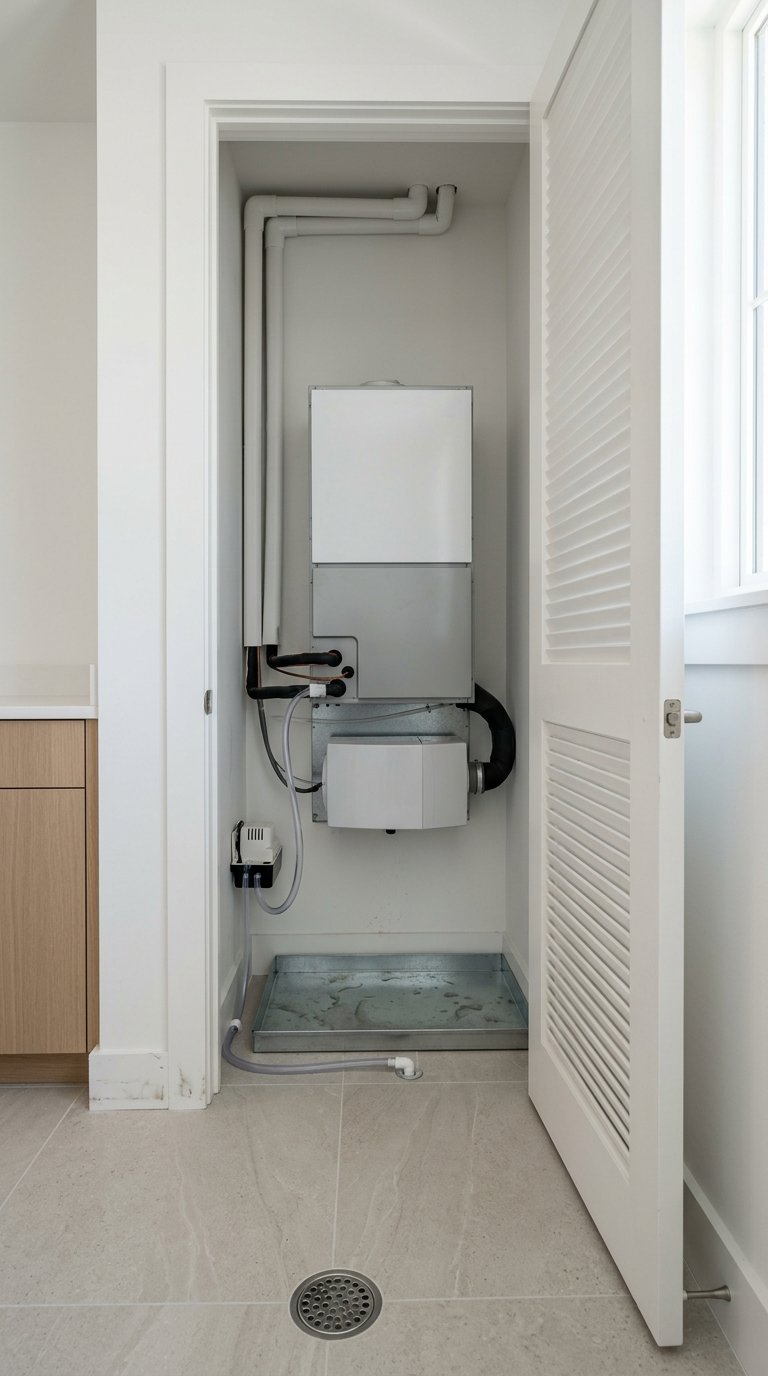
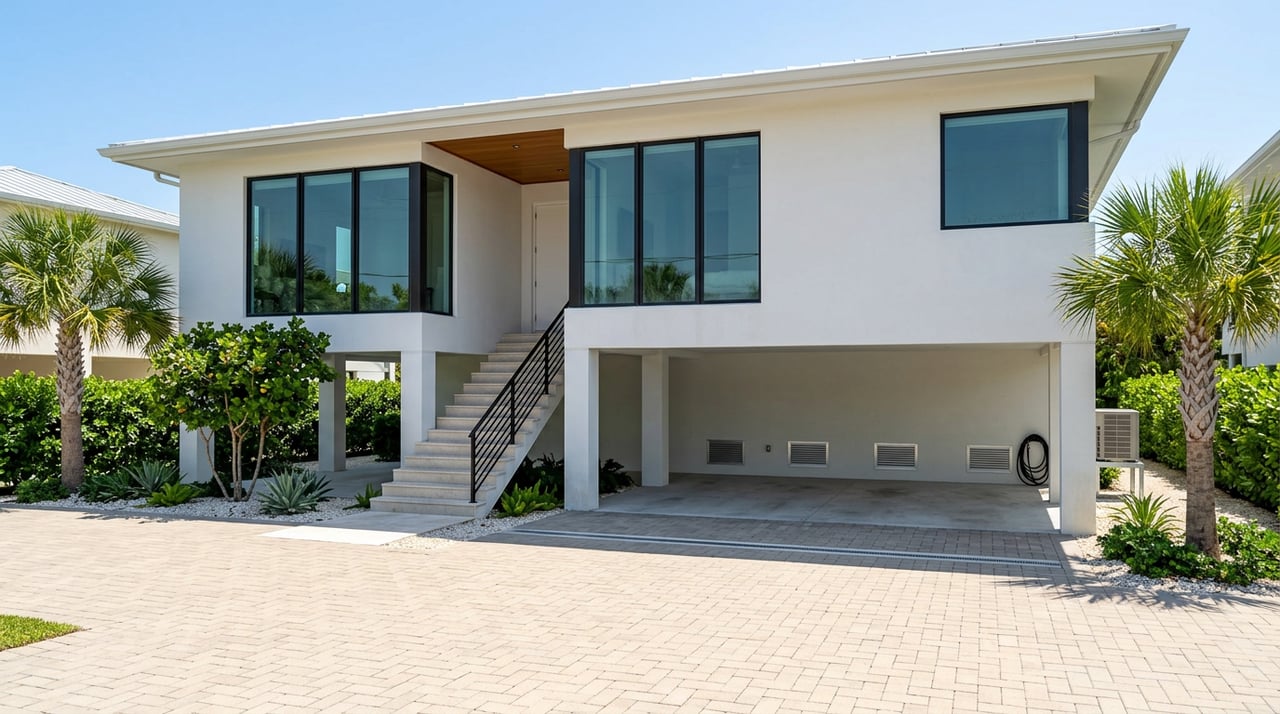
Open pile or pier foundations, common on barrier islands, allow water to pass under the structure and are required in higher velocity coastal areas. Slab‑on‑grade construction may be allowed in lower wave‑energy areas, but it typically rates differently. Your policy price will reflect both the foundation type and how utilities and HVAC are placed relative to the design flood elevation.
Construction rules in high‑energy zones
V and some Coastal A areas trigger stricter building standards that limit enclosed space below the elevated living level and require breakaway walls. These designs can increase rebuild cost, which raises the insured value, while reducing the chance of structural damage in many events. Expect that tradeoff to show up in both permitting and insurance quotes.
Insurance choices and coverage gaps
You can usually choose between an NFIP policy and a private flood policy in Sarasota. Each market has different limits and forms, so the right answer often depends on your property specs and your risk tolerance. Plan to compare both options for every home you seriously consider.
NFIP basics and limits
The NFIP’s standard program caps building coverage for a single‑family home at $250,000 and contents at $100,000. It excludes land value and most exterior items such as docks, seawalls, and landscaping, and it usually does not include Additional Living Expenses. Review FEMA’s consumer guide to what the NFIP covers and what it does not. If your replacement cost is higher than NFIP limits, consider excess or private options to close the gap.
Private flood options in Florida
Florida has an active private flood market with carriers that write primary or excess policies. Private forms may offer higher limits and different coverage terms, so read them carefully and compare deductibles and exclusions. The Florida Office of Insurance Regulation offers consumer guidance and maintains a list of private flood writers in the state.
Condo buildings and RCBAP
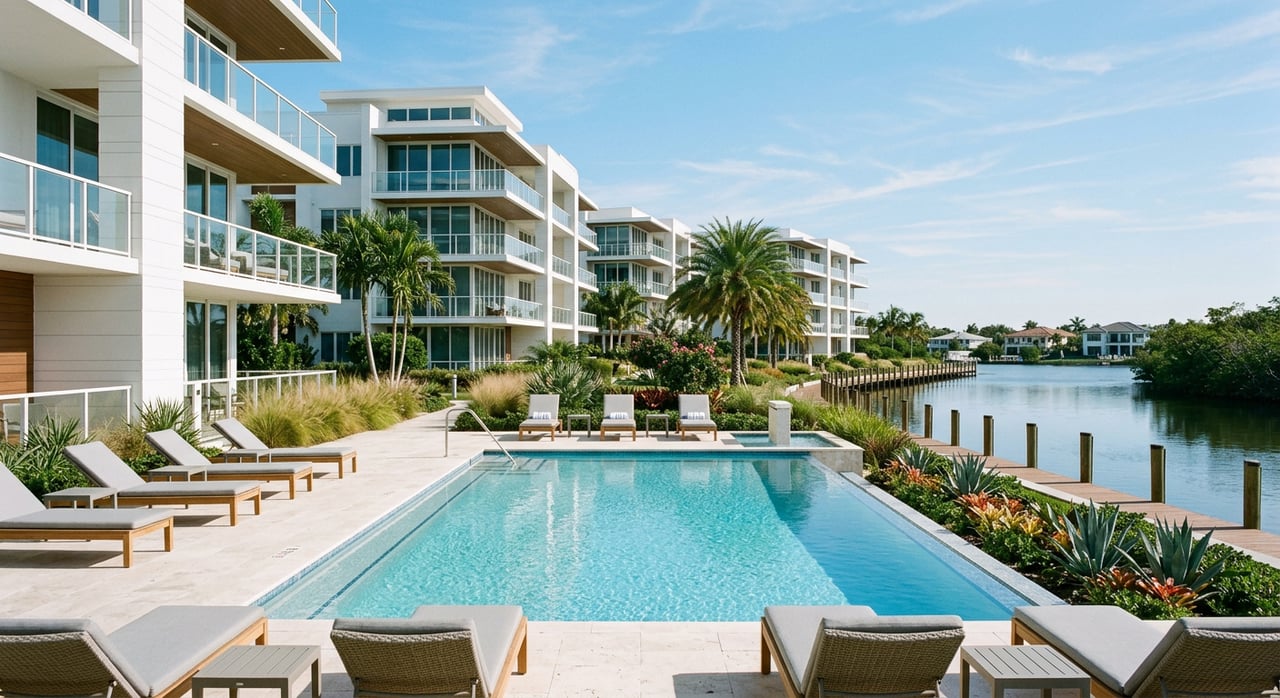
For condominium buildings, the association can purchase a Residential Condominium Building Association Policy that covers building elements, while unit owners typically need separate contents and unit‑improvement coverage. Confirm whether the association carries an RCBAP or a private master policy, and whether limits are adequate. FEMA’s RCBAP guide explains how these policies rate and the coinsurance rules that associations must consider.
Community Rating System discounts
Sarasota County and the City of Sarasota participate in FEMA’s Community Rating System. Historically they have achieved a Class 5, which provides about a 25 percent premium discount on eligible NFIP policies within the SFHA. You can verify local CRS status in county resources such as the CRS program document.
Gulf vs. bay vs. canals: what changes
Water exposure is not the same across Sarasota’s waterfront. Your likely zone, construction approach, and carrying costs can shift a lot between Gulf‑front, bayfront, and canal locations. Use this framework to compare properties before you fall in love with a view.
Open Gulf frontage
On the Gulf face of Siesta Key, Longboat Key, and parts of Lido, properties are often mapped VE or Coastal A due to direct wave action. Homes typically sit on engineered piles with elevated living levels and breakaway walls. Premiums are sensitive to lowest floor height relative to the BFE, and replacement cost is high because of coastal construction requirements. Docks and seawalls are common but are not covered by NFIP, so budget for maintenance and potential assessments.
Bayfront and protected passages
Bird Key, the bay side of Longboat, and parts of the Sarasota Bayfront often map AE or Coastal A with published BFEs. Wave energy is lower than the open Gulf, but storm surge remains significant. Premiums depend heavily on first floor height and the building’s foundation type, and private flood policies may be competitive in these areas.
Canals and the Intracoastal
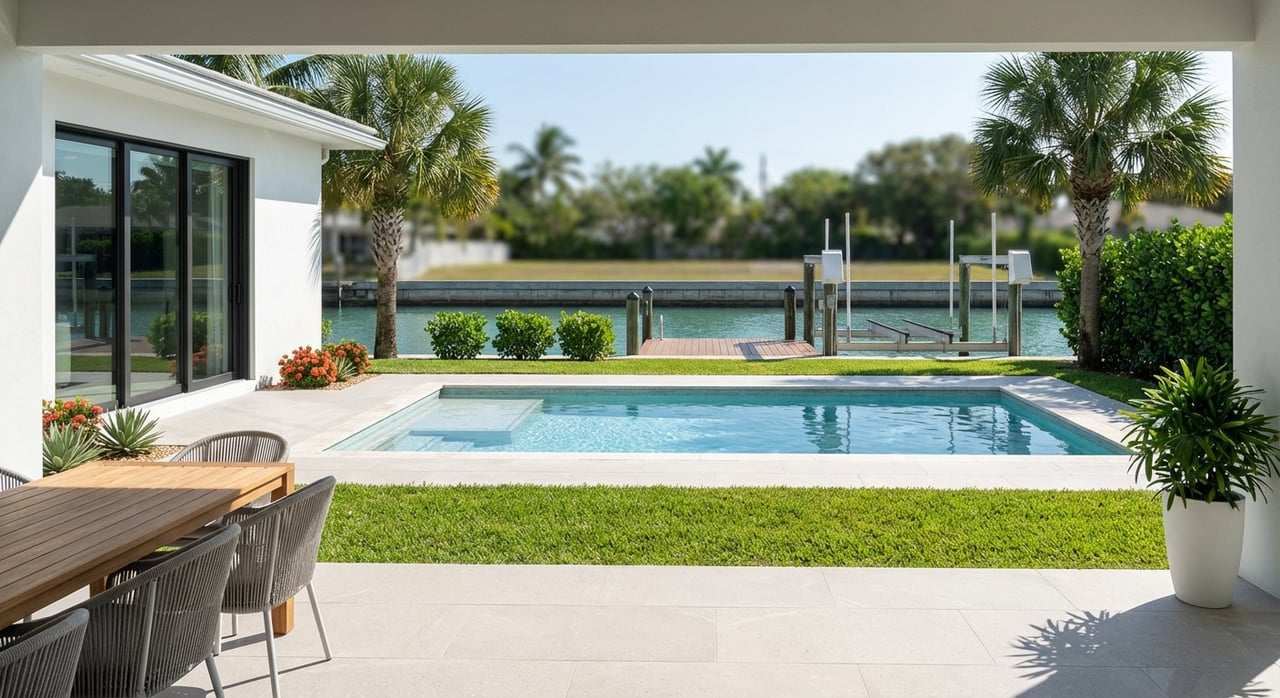
Mainland canals, bayous, and narrow waterways can map AE, A, or even X‑shaded for higher ground. Wave action is usually minimal compared with the Gulf, but surge and heavy‑rain flooding still matter. Even outside VE zones, recurring tidal or drainage issues can occur, so pay attention to elevation certificates and any history of nuisance flooding.
Planning for the long term
Sarasota is studying sea‑level rise and flood vulnerability, and that work can influence future mitigation projects and assessments. Staying current on local resilience planning helps you anticipate long‑term carrying costs. You can follow coverage of the county’s resilience strategy in regional reporting on Sarasota’s resilience planning efforts.
Quick buyer checklist
Use this short list to keep your evaluation organized:
- Confirm the effective FEMA map panel, flood zone, and any BFE for each address using the FEMA Map Service Center.
- Request the Elevation Certificate or lowest adjacent grade data. If none exists, budget for a survey and EC since it can affect rating and any future map amendment.
- Ask about prior flood claims and whether a LOMA or LOMR exists, and review any substantial improvement permits that might change compliance status. See FEMA’s LOMA guidance.
- For condos, verify whether the association carries an RCBAP or private master flood policy, the limits, and any related assessment history. FEMA’s RCBAP guide explains how coverage works.
- Obtain quotes from both NFIP and private carriers. NFIP has standard limits and a typical 30‑day waiting period for new policies. The Florida OIR lists private flood writers.
- Budget for non‑insured waterfront items such as seawall and dock maintenance and higher hurricane deductibles on homeowners policies. Consider utility elevation, engineered flood openings, and other improvements that can reduce loss and may be recognized in pricing under Risk Rating 2.0.
Bringing it together
Buying on the water in Sarasota is about matching lifestyle with smart risk management. Start with the map zone and BFE, then dig into the property’s first floor height, foundation, and utilities. Price both NFIP and private flood options, and verify condo master coverage when relevant. With the right information, you can balance view, access, and carrying costs with confidence.
If you want a second set of eyes on zones, elevation certificates, and policy choices while you search, connect with Richard Strauss for a calm, methodical walkthrough tailored to your shortlist of homes.
FAQs
What do AE and VE zones mean in Sarasota?
- AE shows areas with a 1 percent annual chance flood and published BFEs, while VE indicates coastal high‑velocity wave action; VE and many Coastal A areas require open foundations and elevated living spaces.
How does Risk Rating 2.0 change my premium?
- It prices to the specific property, using first floor height, foundation type, distance to water, and replacement cost, so two homes in the same map zone can have very different premiums.
Do I need flood insurance if I pay cash?
- Lenders typically require it in SFHAs, but even for cash purchases you should consider coverage since flood risk remains and NFIP and private policies are available.
What is an Elevation Certificate and why is it important?
- An EC documents key elevations like the lowest floor relative to grade or BFE; it informs NFIP rating, supports LOMA requests, and helps you compare carrying costs across homes.
How do condo flood policies work in Sarasota?
- Associations can carry an RCBAP for the building, while unit owners usually buy separate contents and unit‑improvement coverage; always verify master policy limits and coinsurance rules.