Thinking about selling your Sarasota waterfront home but not sure when to list? Timing can influence how many qualified buyers you reach and the strength of your offers. The local market follows a clear seasonal rhythm, and waterfront properties add a few technical layers you should plan for early. In this guide, you’ll learn the best listing windows, the data to check before you choose a date, and a practical prep timeline tailored to waterfront homes. Let’s dive in.
Sarasota seasonality at a glance
Buyer traffic for higher-end and second-home waterfront properties in Sarasota typically peaks from January through April. You’ll see strong activity from late fall into spring as seasonal residents return. October and November can also be productive months with less competition and early snowbird interest.
Summer months, especially June through September, tend to draw fewer out-of-state buyers. Hurricane season runs June 1 through November 30, which can affect insurance, inspections, and buyer psychology. You can still sell during summer if inventory is tight or timing matters, but expect different strategies.
Sarasota’s cultural calendar also supports high-season demand. Festivals, regattas, and arts events bring well-qualified visitors. To understand when visitors are most active, keep an eye on the Visit Sarasota County calendar. For storm season awareness, follow the National Hurricane Center for official updates.
What this means for your listing
- Best window for buyer traffic and pricing potential: January to April.
- Strong secondary window: October to November.
- Lower-traffic period: June to September, including peak hurricane season.
- If inventory is very low and demand is high, seasonality matters less. If inventory rises or rates jump, plan for peak-season exposure.
Waterfront factors that shape timing
Marine structures and inspections
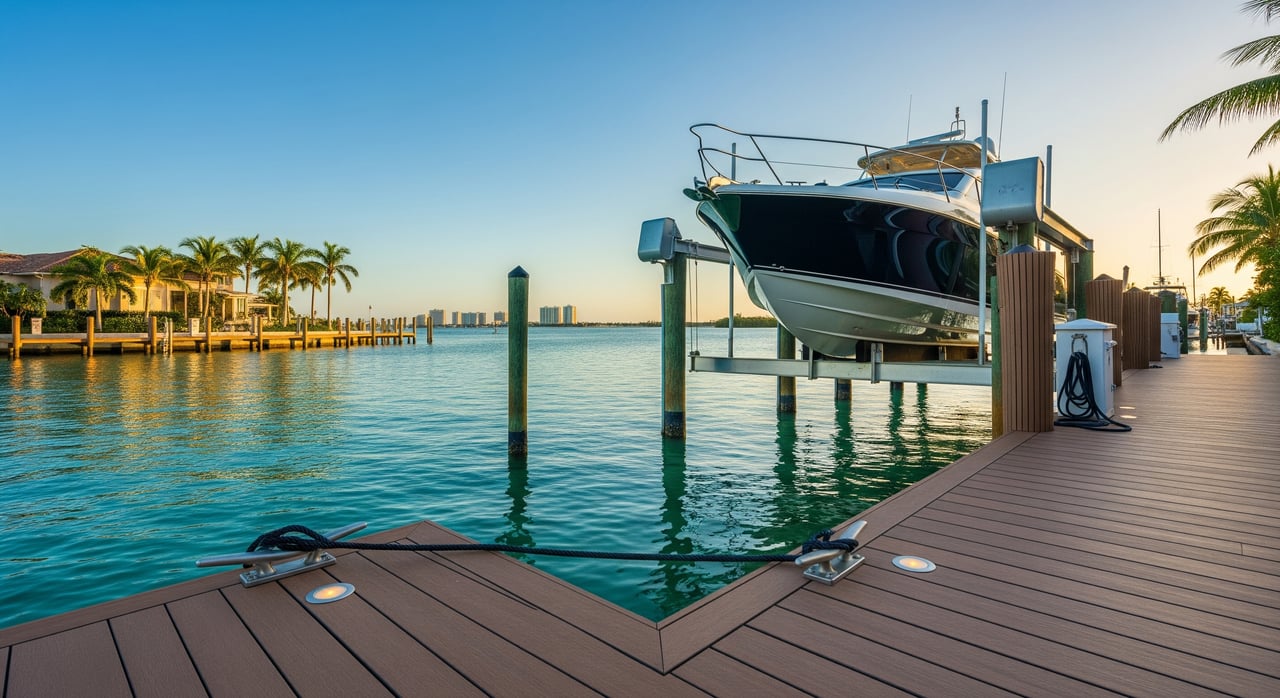
Seawalls, docks, and pilings are high-priority for waterfront buyers. Pre-listing inspections by a qualified marine contractor can prevent last-minute renegotiation. If repairs require permits, build that into your timeline before you go live.
Flood zones and insurance
Many waterfront homes sit in Special Flood Hazard Areas. Buyers will ask about flood zones and premiums because it affects affordability and financing. Verify your home’s zone on the FEMA Flood Map Service Center and gather current insurance information. If applicable, check carrier options that include NFIP-backed policies and Citizens Property Insurance to help buyers understand costs.
Permits and environmental rules
Dock, seawall, and shoreline work often requires approvals. Start by reviewing guidance from the Florida Department of Environmental Protection, and consult Sarasota County for local requirements. Mangrove protections and seagrass considerations can affect timelines for improvements.
Presentation, tides, and weather
Waterfront photography matters. Schedule professional drone and twilight photography when the weather is calm and tides favor your shoreline and dock visibility. For long-distance shoppers, invest in a high-quality video tour that shows water access, lot orientation, and proximity to the Intracoastal Waterway.
Boating specs and marina access
Serious boaters will ask about bridge clearances, depth at the dock, no-wake zones, and distance to open water. Include accurate details and any slip or berth documentation. If your neighborhood connects to marinas, highlight that in your marketing package.
Read the market before you pick a date
Seasonality is important, but current market indicators help you choose the right week to go live. Before you list, review waterfront-specific:
- Active inventory and months of supply.
- Median and average sale prices, quarter over quarter.
- Days on market for comparable waterfront homes.
- List-to-sale price ratios to set negotiation expectations.
- New pendings versus new listings to gauge momentum.
For reliable data, consult Florida Realtors for county and statewide trends and use your agent’s local MLS reports for neighborhood-level clarity. National context from the National Association of Realtors helps you understand mortgage rate trends and buyer sentiment. For tax and parcel reference, the Sarasota County Property Appraiser provides ownership, assessments, and lot details.
Step-by-step timeline to go live
A 4 to 12 week runway is ideal for most waterfront listings. If you need permits or marine repairs, extend accordingly. Here’s a simple framework you can adapt.
Weeks 1 to 2: Assess and plan
- Walkthrough with your agent to identify must-fix items on land and water.
- Order a seawall and dock inspection from a qualified marine contractor.
- Confirm flood zone and gather current flood insurance information.
- Pull tax records and utility history for your disclosure packet.
- Map out your listing target date based on seasonality and market data.
Weeks 3 to 5: Repairs, documents, and staging
- Complete safety-critical repairs and begin any dock or seawall work that impacts insurance or lending.
- Collect HOA rules, slip or berth documentation, and any permit records.
- Finalize Florida seller disclosures and add marine-related notes.
- Strategize staging for outdoor spaces, dock seating, and water views.
Weeks 6 to 7: Marketing production
- Schedule drone, twilight, and interior photography to align with favorable tide and weather.
- Film a video or virtual tour that highlights boat access and shoreline.
- Draft listing copy with depth, clearance, and waterway details that boaters expect.
Week 8: Launch
- Go live early in the week so your listing builds visibility into the weekend.
- Coordinate open houses and showings to include dock walk-throughs and, when feasible, marina visits.
- Prepare for inspection windows that include marine specialists.
Pricing and contract timing by season
- Peak season pricing: If inventory is tight from January through April, price to market or slightly above. Buyers expect strong waterfront values during high season.
- Summer pricing: Be more competitive or offer incentives like repair credits or flexible closing terms to attract local buyers and investors.
- Contract length: Out-of-state buyers often prefer 30 to 60 days to arrange financing and inspections. If possible, avoid closing during the height of hurricane season to reduce insurance and repair delays.
When a summer listing makes sense
Listing in summer can still work, especially if inventory is low or you have a fixed timeline. Set clear expectations and plan for:
- Proactive disclosure of seawall and dock condition to avoid late concessions.
- Transparent insurance information that includes flood coverage options.
- Marketing that highlights year-round benefits and investment potential.
- Showings built around serious, qualified buyers rather than broad seasonal traffic.
Bottom line
The best time to list a Sarasota waterfront home is usually January through April, with October and November as strong alternatives. Your exact date should align with market indicators, marine-readiness, and insurance clarity. With the right prep and presentation, you can create strong demand in any season.
If you want tailored advice on timing, pricing, and a waterfront-specific prep plan, connect with Richard Strauss to get your strategy started. Get Your Free Home Valuation.
FAQs
What is the best month to list a Sarasota waterfront home?
- There is no single month that guarantees results, but January through April typically brings the most qualified buyers, with October and November as strong secondary months.
How does hurricane season affect listing a waterfront property in Sarasota?
- June through November can bring fewer out-of-state buyers and added insurance and inspection considerations, but a sale can still perform well if inventory is low and your property is well-prepared.
What waterfront repairs should I complete before listing?
- Address safety or insurance-critical items first, including failing seawalls, unsafe docks or pilings, and major structural or electrical issues that could impact coverage or lending.
Do flood zones and insurance costs impact buyer demand?
- Yes, flood zone designations and premiums affect affordability and financing. Provide FEMA map details and current insurance information to build buyer confidence.
How important are drone photos and virtual tours for waterfront listings?
- Very important, since many buyers shop from out of state. Aerials and video show water access, orientation, and proximity to waterways that standard photos cannot capture.
Should I include boating access details in my listing?
- Yes, include bridge clearance, depth at the dock, no-wake zones, and distance to open water, along with any slip or marina documentation.
What data should I check before choosing my listing date?
- Review waterfront inventory, months of supply, median prices, days on market, list-to-sale price ratios, and the pendings-to-new listings trend to time your launch effectively.