Trying to choose between a condo or a single-family home for your winters on Longboat Key? You want easy living near the beach, predictable costs, and confidence that your place is protected when you are away. The best fit comes down to how you plan to use the property, your comfort with maintenance, and your goals for renting. This guide breaks down costs, upkeep, rental rules, insurance, and lifestyle so you can decide with clarity. Let’s dive in.
Longboat Key at a glance
Longboat Key is a barrier-island town in Manatee County that borders Sarasota County. It is primarily residential and draws a strong seasonal crowd each winter. You will find beaches, boating, resort amenities, and steady demand for winter rentals. Seasonal buyers often split time here December through March, then either leave the home vacant or rent it out for part of the year.
Cost and financing basics
Purchase price expectations
Condos usually offer a lower entry price for a similar beachside location compared to single-family homes. You will see price differences by building, view, unit size, and condition. Single-family homes typically command higher prices because you gain land, privacy, garages, and sometimes private docks.
Ongoing costs: who pays for what
- Condos: You will pay HOA dues that can vary widely. Dues often cover exterior maintenance, landscaping, common areas, and a master building insurance policy. Some include utilities like water or cable. You will still need an HO6 policy for your interior, personal property, and liability. Confirm what the HOA dues include and whether there is flood coverage and adequate reserves.
- Single-family homes: You are responsible for all exterior maintenance, including roof, landscaping, pool, and any dock or seawall. You will carry a homeowner’s policy and usually wind and flood coverage as separate items. Utilities can be higher, and some properties have pump or septic system considerations.
Financing differences for seasonal buyers
How you use the property affects financing terms. Primary residences tend to have the most favorable rates and down payments. Second homes, which fit many seasonal owners, usually require higher down payments than a primary residence but better terms than an investment property. If you plan to rent more actively, a lender may classify the property as an investment, which often means a larger down payment and higher rates. Condos may require lender approval of the building, especially if owner-occupancy rates are low or reserves are thin, so verify condo financing early.
Maintenance and ease when you are away
Condos: lock-and-leave convenience
Condos simplify day-to-day living. Exterior maintenance and grounds are managed by the HOA, and buildings may offer amenities like pools, fitness rooms, elevators, and on-site staff. This is attractive if you want a smooth lock-and-leave setup. The trade-offs include HOA rules, potential rental limits, and shared walls and parking. Older buildings can also face special assessments if reserves are not adequate.
Single-family homes: control and space
Homes offer privacy, outdoor areas, room for guests, and the possibility of a private dock if the lot allows. You have more flexibility with renovations and, in many cases, more control over rental terms. The trade-off is responsibility. You will arrange for roof and yard care, pool and irrigation, dock or seawall oversight, and routine check-ins, especially ahead of hurricane season. If you intend to rent short term, plan for a property manager. Short-term management fees often range from about 20 to 30 percent of rental income, with lower fees for longer seasonal leases.
Property management and local vendors
Many seasonal owners rely on a small team of local professionals. You will want a licensed property manager, plus trusted vendors such as a handyman, 24/7 plumber and electrician, pest control, pool service, lawn and landscape care, a hurricane shutter contractor, and secure mail handling. If you buy a condo, confirm whether the HOA allows outside managers and how rentals are coordinated.
Renting while you are away
Demand and seasonal strategies
Barrier islands like Longboat Key see strong winter demand for seasonal rentals, often booked for several months. You can also pursue weekly or shorter stays where allowed. Your strategy can be as simple as leaving the property vacant or as involved as short-term rentals during your off months. Match your plan to your comfort level, HOA rules, and your lender’s occupancy classification.
Rules, licenses, and taxes to verify
Before counting on rental income, confirm the rules. Many coastal towns regulate short-term rentals with minimum-stay rules, licensing or registration, inspections, and occupancy limits. You should check the Town of Longboat Key code for current requirements and enforcement. Manatee County and the State of Florida levy transient and tourist taxes on short-term stays. Owners are responsible for collecting and remitting these taxes or coordinating with a platform or manager. In condos, HOA bylaws often set limits on rental frequency, duration, and guest procedures, and may cap the percentage of units that can be rented at one time.
Insurance and storm readiness
Flood, wind, and surge exposure
As a barrier island, Longboat Key is exposed to hurricanes and storm surge. Flood zones and base flood elevations drive insurance requirements and costs. If the property is in a Special Flood Hazard Area and you finance with a mortgage, flood insurance is typically required. Many island owners choose flood coverage even when it is not federally mandated.
Coverage by property type
- Condos: The HOA carries a master policy for the building. You will need an HO6 policy for interior finishes, personal property, liability, and loss assessment coverage. Confirm the master policy scope, coverage limits, and hurricane deductibles.
- Single-family homes: Expect a homeowner’s policy with wind coverage and separate flood insurance, either through the NFIP or private markets. Review replacement cost coverage, mold or wind-driven rain provisions, and ordinance-and-law coverage for code upgrades after a loss.
Hurricane budgets and deductibles
Named-storm deductibles are often a percentage of your coverage limit, not a flat dollar amount. Plan liquidity for these deductibles and for immediate post-storm repairs if needed. Budget for shutter systems, roof upkeep, elevated mechanicals where possible, and a generator or surge protection if desired.
Lifestyle fit on Longboat Key
Privacy, dockage, and outdoor living
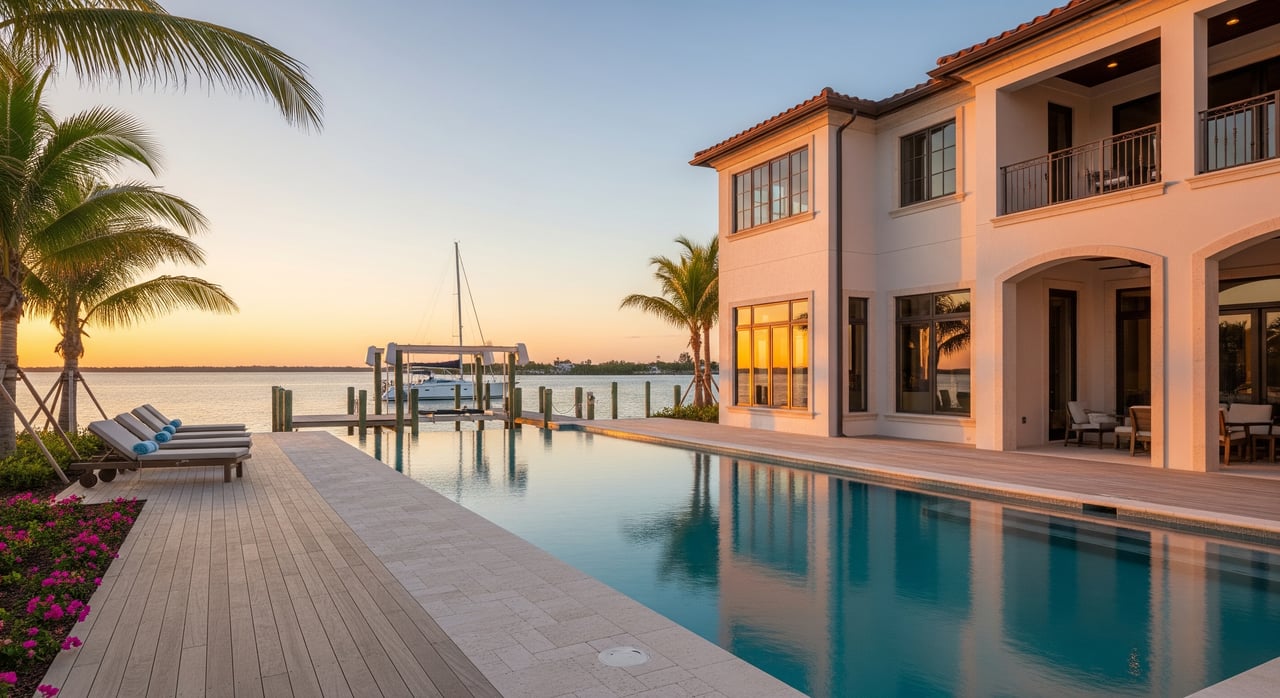
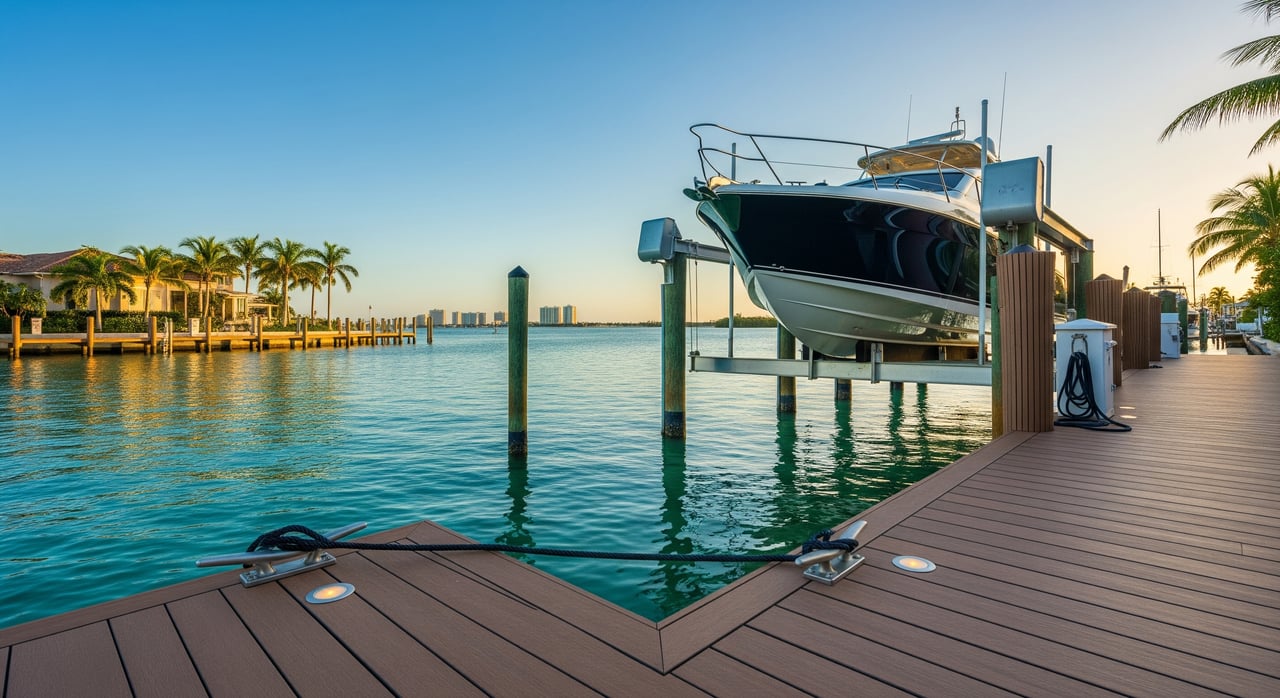
If you value privacy, a yard for guests, and potential for a private dock, a single-family home can be a strong fit. Waterfront lots may support boat lifts or dockage, subject to local rules and site conditions. You also gain flexibility for outdoor kitchens, pools, and storage. The trade-off is daily upkeep, especially when you are away for long stretches.
Amenities and a turnkey routine
If you want beach proximity, on-site amenities, and staff to handle building issues, condos deliver an easy routine. Many buildings are designed for seasonal occupancy and make arrival and departure simple. You will give up some space and privacy, but you gain consistency and convenient services that help when you are off-island.
Decision guide: condo or home?
Choose a condo if:
- You want low maintenance and a reliable lock-and-leave lifestyle.
- You value building amenities and on-site support.
- You plan to use the property seasonally with limited personal items to manage.
- You are comfortable following HOA rules on rentals, pets, and renovations.
Choose a single-family home if:
- You prioritize privacy, space, and outdoor living.
- You want flexibility for guests and customization.
- You value the potential for a private dock or waterfront features.
- You are prepared for higher maintenance and property management needs.
Due diligence checklist
Before you make an offer
- Define your intended use: primary, second home, or investment. This affects financing and tax treatment.
- Compare total ownership costs: mortgage, property taxes, insurance for home, wind, and flood, HOA dues if applicable, utilities, and routine maintenance.
- Condos: Review the full HOA document set. Read bylaws, CCRs, rental rules, pet rules, parking policies, insurance summaries, reserve studies, meeting minutes, and any litigation or special assessments. Ask about building age, major capital projects, and reserves.
- Homes: Inspect roof age and condition, HVAC, electrical panel, plumbing, pool, irrigation, and any seawall or dock. Ask for the elevation and drainage details and whether an Elevation Certificate is available.
- Flood and elevation: Confirm flood zone using maps and obtain available elevation documents. Build insurance quotes early, including flood.
Operational setup for seasonal ownership
- Line up a local property manager or trusted vendors for routine care and emergencies.
- Set up mail handling, smart thermostats, security monitoring, and remote cameras if desired.
- Review HOA emergency plans, shutter policies, and post-storm procedures.
- For rentals: Verify that rentals are allowed, the minimum stay, and any licensing steps. Register for required taxes and estimate seasonal rates and vacancy with local comps or a manager.
Questions to ask the HOA, seller, or listing agent
- HOA specifics: What do monthly dues cover? Any planned assessments? What is the owner-occupancy rate? What are rental minimums and procedures? What is the master insurance deductible for named storms? Are pumps, roofs, elevators, and seawalls up to date? Any history of water intrusion?
- Seller disclosures for homes: Age and condition of roof, HVAC, seawall or dock, electrical, and plumbing. Any hurricane damage or insurance claims? History of flooding or mold? Availability of an Elevation Certificate? Typical utility and maintenance costs during winter months?
Common pitfalls to avoid
- Assuming any condo allows short-term rentals. Rules vary by building and can include minimum stays and caps on rental activity.
- Underestimating insurance and hurricane deductibles. Get quotes during due diligence and plan for named-storm deductibles.
- Overlooking HOA reserves and upcoming projects. Review reserve studies and meeting minutes to gauge assessment risk.
- Treating a second home like a primary residence for financing. Clarify occupancy with your lender before you write an offer.
Next steps
If you want low-maintenance living with amenities, a well-run condo may be your best match. If you want privacy, outdoor space, and potential dockage, a single-family home may be worth the extra upkeep. You do not have to decide alone. Work with a local advisor who understands seasonal ownership, flood exposure, and the boating lifestyle so you can choose with confidence. To discuss your goals and compare specific Longboat Key options, connect with Richard Strauss.
FAQs
What makes Longboat Key appealing for seasonal buyers?
- It is a barrier island with beaches, boating, resort-style amenities, and strong winter rental demand, which suits second-home use and seasonal stays.
How do condo rules affect renting my place?
- Many HOAs set minimum stay lengths, cap the percentage of units that can be rented, and require guest registration, so confirm details in the bylaws and CCRs.
What insurance should I expect to carry as a seasonal owner?
- Condo owners need an HO6 for interior and liability in addition to the HOA’s master policy, while single-family owners typically need homeowner’s, wind, and flood coverage.
Are condos harder to finance than homes on Longboat Key?
- Some condo projects face stricter lender approval related to owner occupancy, reserves, insurance, or litigation, so check lender requirements early in your search.
Do I need flood insurance if I am not in a Special Flood Hazard Area?
- Lenders usually require it in mapped high-risk zones, but many island owners choose flood insurance regardless due to storm surge and coastal exposure.