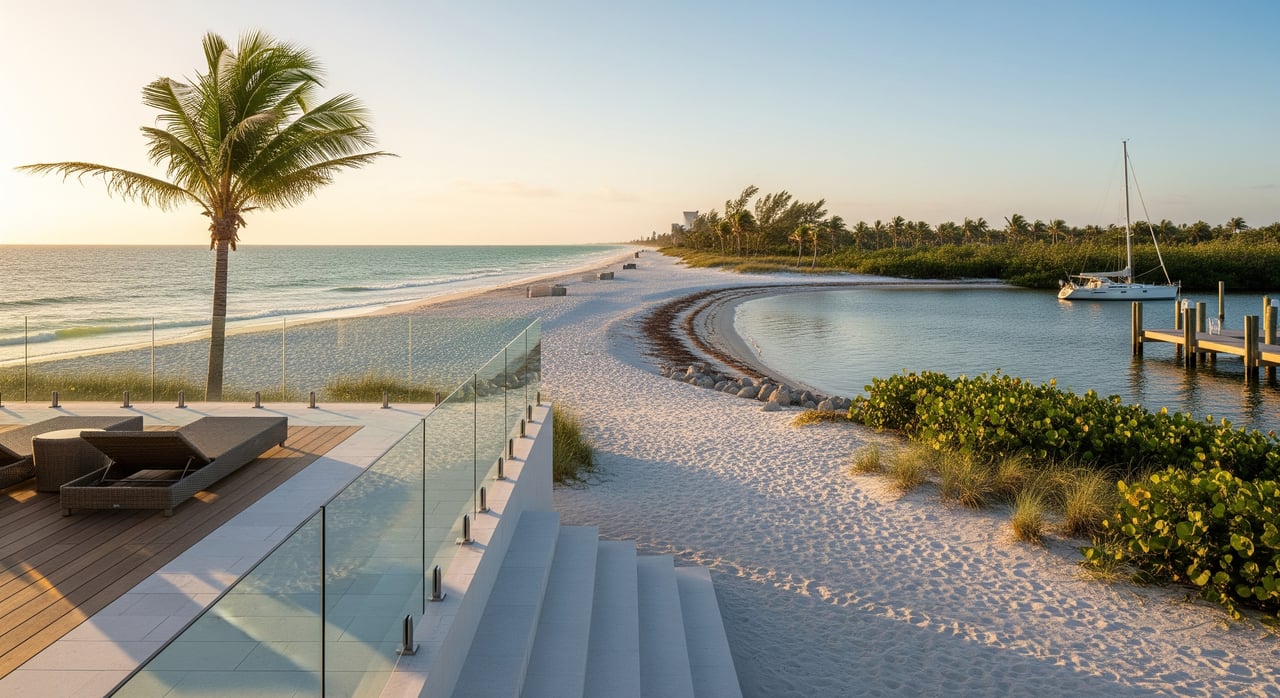
Do you picture yourself stepping onto powdery sand for sunset every evening, or easing a paddleboard into calm water at sunrise from your own dock? On Siesta Key, the shoreline you choose shapes your daily rhythm, costs, and long-term plans. You want a clear, local guide that goes beyond the view to cover docks, insurance, permits, and resale. This side-by-side breakdown gives you the practical context to decide which coast of the island fits you best. Let’s dive in.
Gulf vs bayfront at a glance
Siesta Key sits between the Gulf of Mexico to the west and Little Sarasota Bay on the intra-coastal side to the east. Gulffront means direct beach access, open horizon views, and western exposure for sunsets. Bayfront means calmer, protected waters, eastern exposure for sunrises, and a shoreline shaped by mangroves and channels.
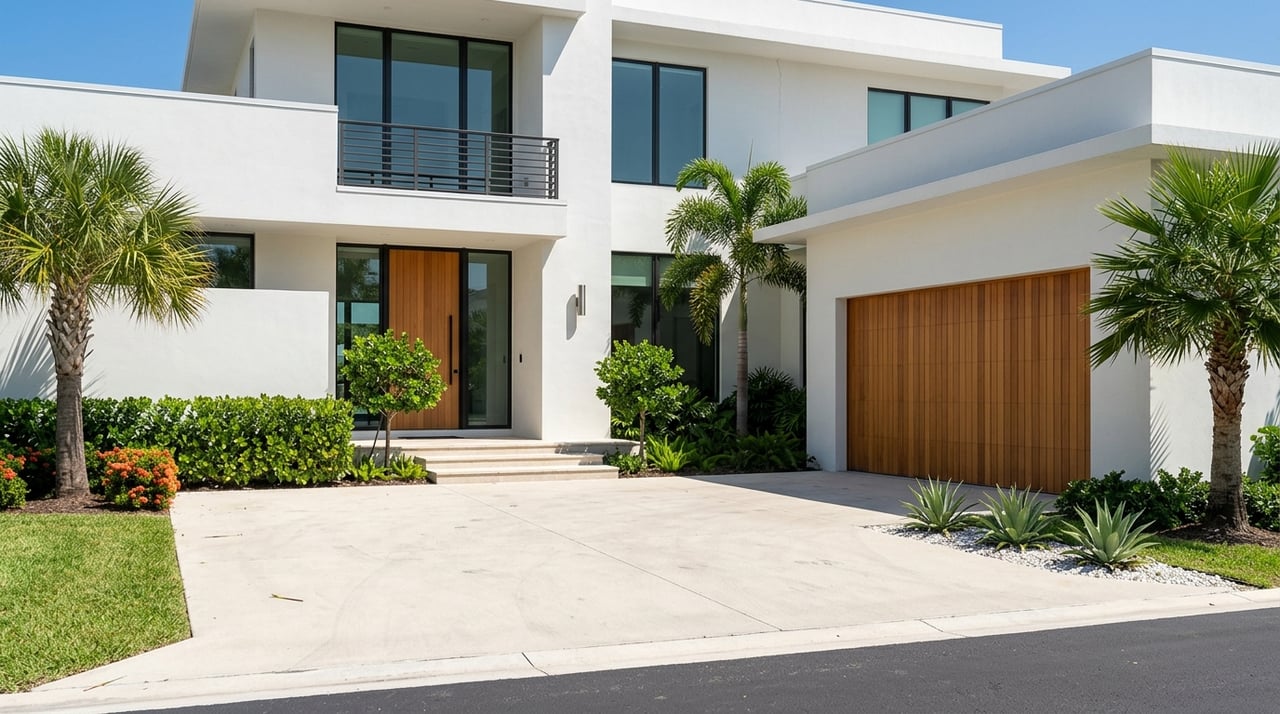
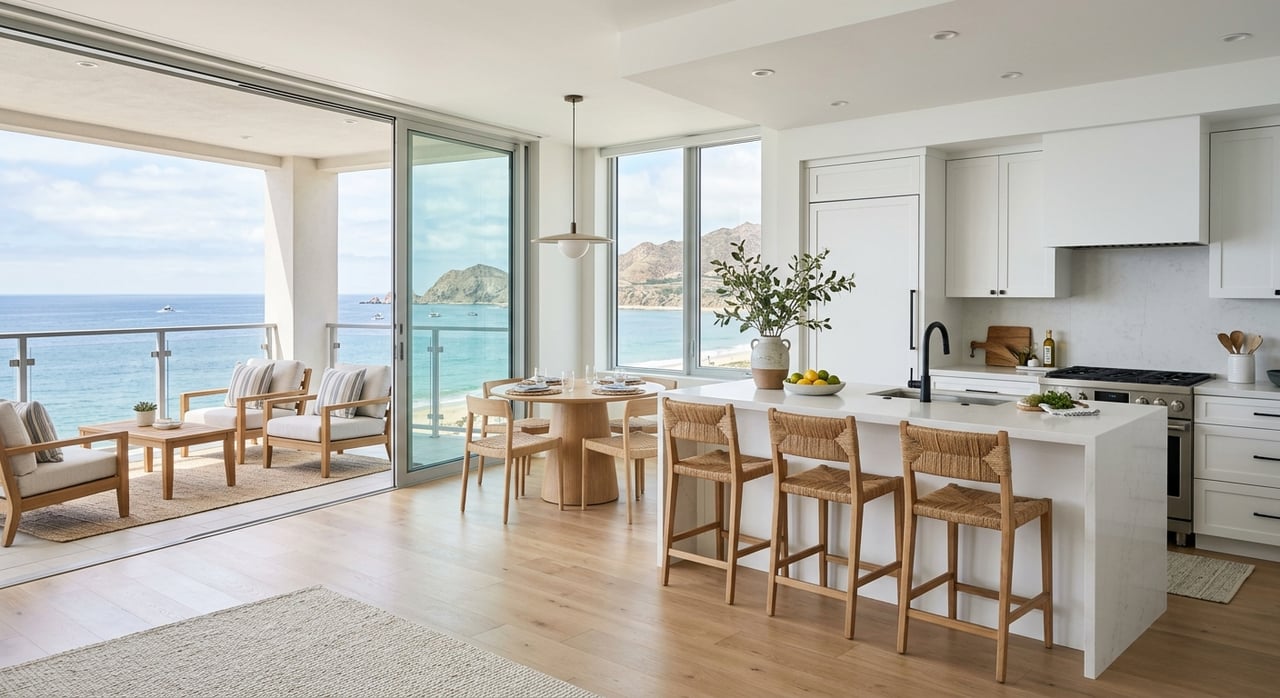
On the Gulf, you find beachfront condos, single-family beach houses, and multi-unit vacation-oriented buildings near public beach amenities. Short-term rental activity tends to cluster here thanks to Siesta Beach’s draw. On the bay, single-family homes with docks are common, along with townhomes and condos that may offer marina-style facilities. The bay side feels more residential and boat-forward.
Day-to-day lifestyle differences
Recreation and access
- Gulffront: Walk out to wide, sandy beaches for swimming and surf. You are near lifeguard stands, picnic areas, and public beach parking, which makes spontaneous beach time easy.
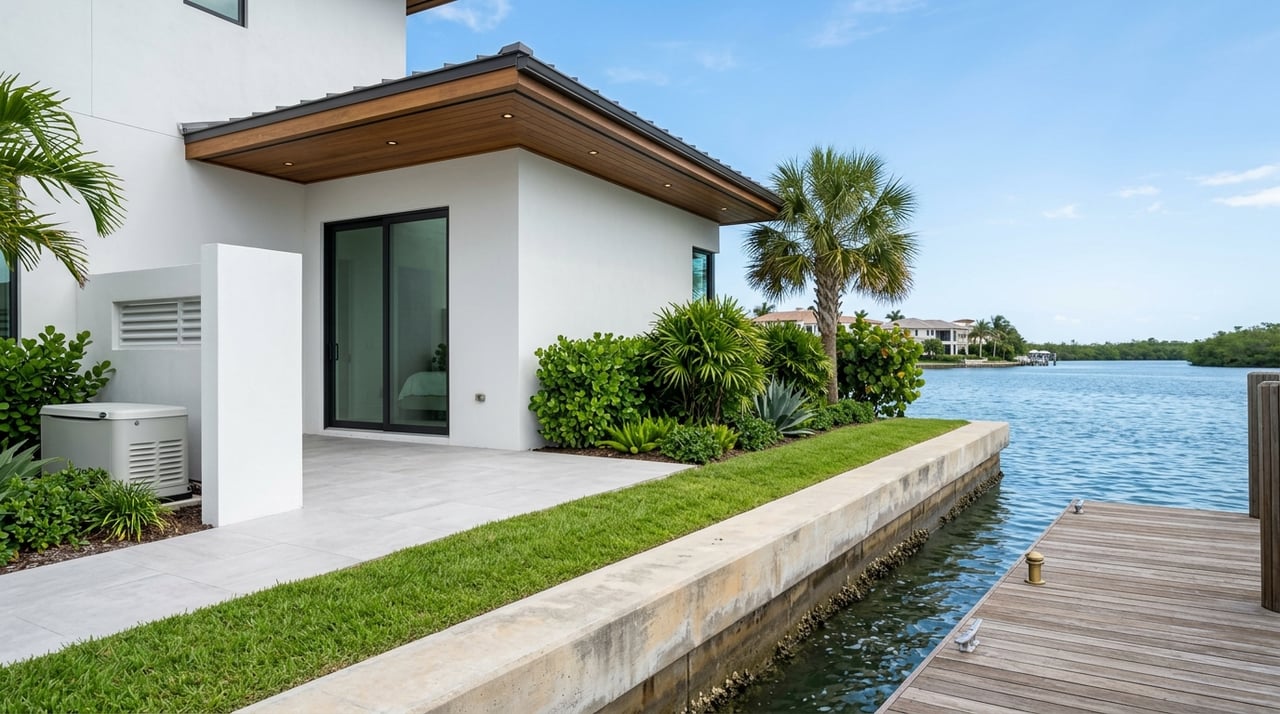
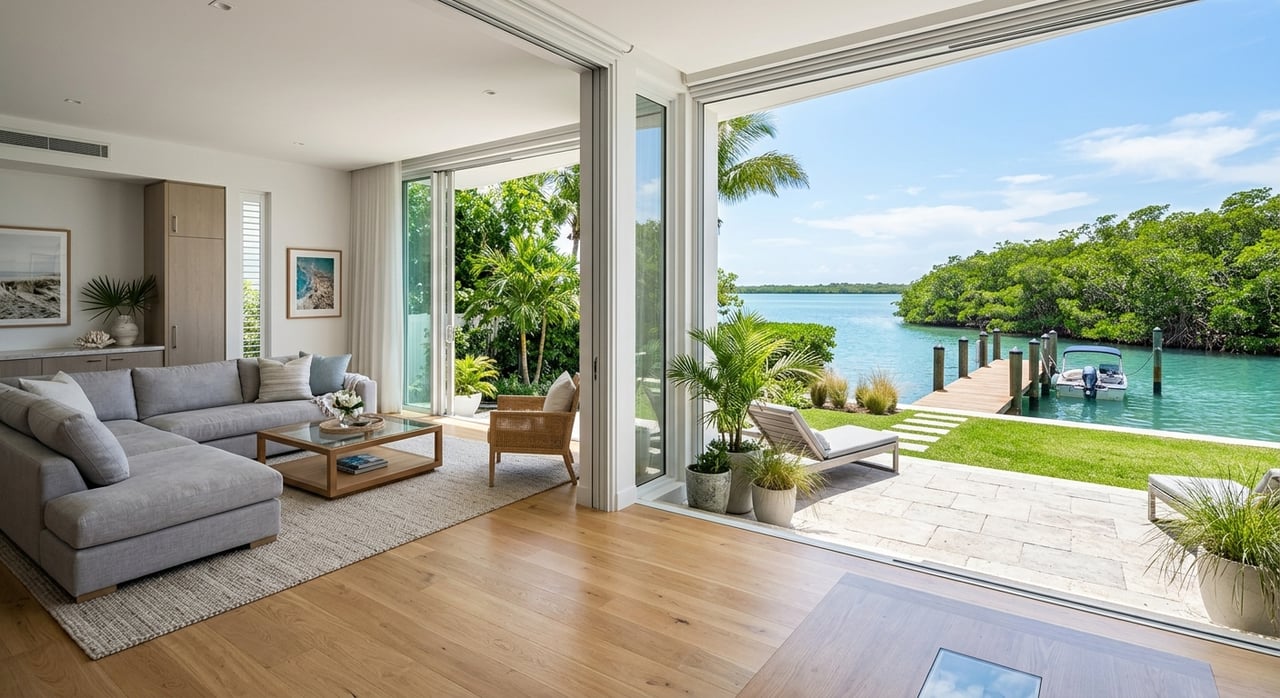
- Bayfront: Launch a kayak or paddleboard from your yard. Many homes support private boat docking, with calm water ideal for fishing and wildlife viewing.
Noise and seasonality
- Gulffront: Expect higher foot and vehicle traffic in peak season and on weekends. Village areas and beach corridors can feel lively, especially with nightlife and visitor activity.
- Bayfront: Streets are typically quieter with fewer walk-in visitors. You get a more private residential atmosphere while staying close to the island’s amenities.
Views and sun
- Gulffront: Unobstructed, open-water vistas with dramatic sunsets. The horizon is broad and ever-changing with weather and surf.
- Bayfront: Framed views of mangroves, channels, and boats in protected water. Sunrises shine in, and the scenery is intimate and dynamic.
Wildlife and environment
- Gulffront: Sandy beaches attract shorebirds and host sea turtle nesting in season. Exterior finishes face wind-driven sand and salt spray.
- Bayfront: Estuarine habitats support wading birds and manatees among seagrass beds. Seasonal mosquitoes and mangrove protections can affect shoreline use and maintenance plans.
Convenience and amenities
- Gulffront: You are near public beach facilities that make hosting and family visits simple. Crossing to the sand is fast and direct.
- Bayfront: Private docks, lifts, and boat access add everyday convenience for boaters. Quick access to the intracoastal supports relaxed cruising and day trips.
Cost, maintenance, and insurance
Purchase price and resale drivers
- Gulffront: Beach access and sunset views often command a premium and attract both lifestyle buyers and vacation-rental investors.
- Bayfront: Premiums hinge on dockage, lot size, water depth, and marina-style features. Homes with well-designed docking and straightforward channel access are prized.
Market conditions shift quickly, so use current MLS and local brokerage data for pricing and competition. Recognize that location on the shoreline, orientation, and property features drive value as much as square footage.
Maintenance considerations
- Gulffront: Exposure to salt, wind, and sand accelerates wear. Budget for frequent exterior painting, HVAC component checks, and corrosion control. Materials and finishes often need to be coastal-grade.
- Bayfront: You still face salt exposure, but the recurring costs tend to center on docks, lifts, and seawalls. In shallow channels, dredging or silt management can become a periodic expense. Across both sides, plan for moisture control, termite protection, and salt-tolerant landscaping.
Insurance realities
Coastal homes typically carry higher premiums than inland properties. Lenders often require flood insurance if the home sits in a mapped FEMA flood zone. Zone designation matters:
- Gulf-front parcels are more likely to fall in coastal high-hazard categories such as V/VE, with stricter elevation requirements and, often, higher flood premiums.
- Bay-front parcels frequently fall into AE or other coastal zones, with risk profiles that still require careful evaluation.
Wind coverage and the availability of certain carriers can change. Get property-specific quotes for homeowner, wind, and flood coverage early in your process, and ask for recent premium history and elevation documentation when available.
Rules, permits, and protections
Floodplain and building code
FEMA flood maps and local building codes guide elevation standards and structural requirements. In high-hazard zones, new construction or substantial improvements may need elevated foundations and design elements like breakaway walls. Elevation certificates and inspections are key documents to request during due diligence.
Docks, seawalls, and water rights
Docks, lifts, and boathouses require permits, and seawalls must meet engineering and environmental standards. Confirm what is permitted, the age and condition of the seawall, the type and capacity of any lifts, and documented maintenance. Water depth at your dock and route to open water can determine what vessels are practical to own. If dredging has been needed in the past, understand frequency and cost.
Short-term rentals and association rules
Siesta Key is popular with vacationers, and short-term rentals are an active topic in county policy. Before relying on rental income, verify current Sarasota County rules, registration and occupancy requirements, noise and parking rules, and any neighborhood or building-specific restrictions. HOAs and condo associations often have their own policies that may differ from county allowances.
Environmental protections and resilience
Coastal construction setbacks and shoreline protections can limit what and where you can build. On the bay side, mangrove protections may affect trimming or alterations. Across the island, sea-level rise and storm-surge considerations factor into long-term planning for value, insurability, and infrastructure.
Buyer checklist for Siesta Key waterfront
Use this quick list to frame your due diligence before and during the contract period:
- Flood and elevation
- FEMA flood zone and any available elevation certificate and base flood elevation.
- Recent flood-insurance quotes or estimates tied to the property’s specifics.
- Insurance
- Homeowner, wind, and flood quotes from local providers, plus any known non-renewals.
- Seawall, dock, and shoreline
- Seawall age, condition, and maintenance records; any permits on file.
- Dock type, lift specs, permitted slips, water depth, and channel access notes.
- Structural and environmental
- Inspection results for salt corrosion, moisture, mold, and any post-storm repairs.
- Signs of erosion or past emergency shoreline work.
- Utilities and access
- Public sewer vs septic, utility easements, and road access details to the mainland.
- HOA/Condo and rental rules
- CC&Rs, rental restrictions, current assessments, and reserve studies.
- Local rules and enforcement
- Current short-term rental registration requirements, plus noise and parking ordinances.
- Historical documents
- Insurance claim history, repair invoices, and any flood-claim records.
Resale and long-term outlook
Buyer profiles and appeal
- Gulffront: Strong pull for beach-centric buyers seeking iconic sunsets and easy sand access. Visibility can be high, which helps marketing during strong markets.
- Bayfront: Consistently attractive to boaters and buyers who want a private dock and calm-water living. Homes with reliable depth, sturdy seawalls, and low-friction access to the intracoastal hold broad appeal.
Seasonality and liquidity
Gulffront listings can move quickly when demand is strong, though insurance shifts and storm seasons may influence buyer timelines. Bayfront homes with well-maintained marine infrastructure tend to stay desirable among local boating communities, while shallows or channel restrictions can temper interest.
Long-term risk factors
Across both shorelines, watch the same forces: insurance costs, evolving floodplain standards, and sea-level rise. County resilience planning and shoreline-protection programs inform how risk and cost may trend over time. Make these part of your hold-period assumptions, especially if you plan to own for a decade or longer.
Matching lifestyle to shoreline
Choose Gulffront if you want beach-first living with daily sand access, dramatic sunsets, and the energy that comes with a top-tier public beach. Expect higher exposure and a maintenance cadence tuned for wind, salt, and sun.
Choose Bayfront if boating, paddle sports, and wildlife viewing are central to your routine. Value private dockage, calmer water, and a more residential street feel. Budget for seawall and dock upkeep and verify depth for your preferred vessel.
If you are split between the two, consider a location that offers quick cross-island access so you can enjoy both lifestyles. On Siesta Key, you can be minutes from the beach by bike or car while living on protected water, or you can live on the sand and keep a boat at a nearby marina.
Ready to weigh specific addresses, dock depths, and flood zones side by side? For a tailored plan that matches your vessel, lifestyle, and budget, connect with Richard Strauss for a calm, consultative walkthrough of your options on both shores of Siesta Key.
FAQs
What are the main lifestyle differences between Siesta Key Gulf and bayfront homes?
- Gulf offers direct beach access and sunsets with higher seasonal activity; bayfront offers calm-water boating, private docks, and sunrise views in a more residential setting.
How do insurance costs compare for Gulf vs bayfront properties on Siesta Key?
- Gulffront homes are more likely in V/VE zones with stricter elevation and often higher flood premiums, while bayfront homes may sit in AE or other coastal zones but still require careful quotes.
What maintenance should I expect with a bayfront home on Siesta Key?
- Plan for dock, lift, and seawall upkeep, plus periodic channel-depth checks; salt exposure still matters, but costs often center on marine infrastructure.
Can I rely on short-term rental income for a Siesta Key waterfront purchase?
- Only after verifying Sarasota County rules and any HOA or condo restrictions; registration, occupancy limits, noise, and parking rules can affect your rental plan.
How do docks and water depth affect value on the bay side of Siesta Key?
- Permitted docks with adequate depth and straightforward channel access add meaningful value, while shallow or silt-prone channels can reduce utility and buyer demand.
Which side is safer during storms on Siesta Key, Gulf or bayfront?
- Neither side is immune; gulffront can face higher wave energy and overwash, while bayfront can see storm surge and flooding. Evaluate flood zone, elevation, and construction quality for each property.